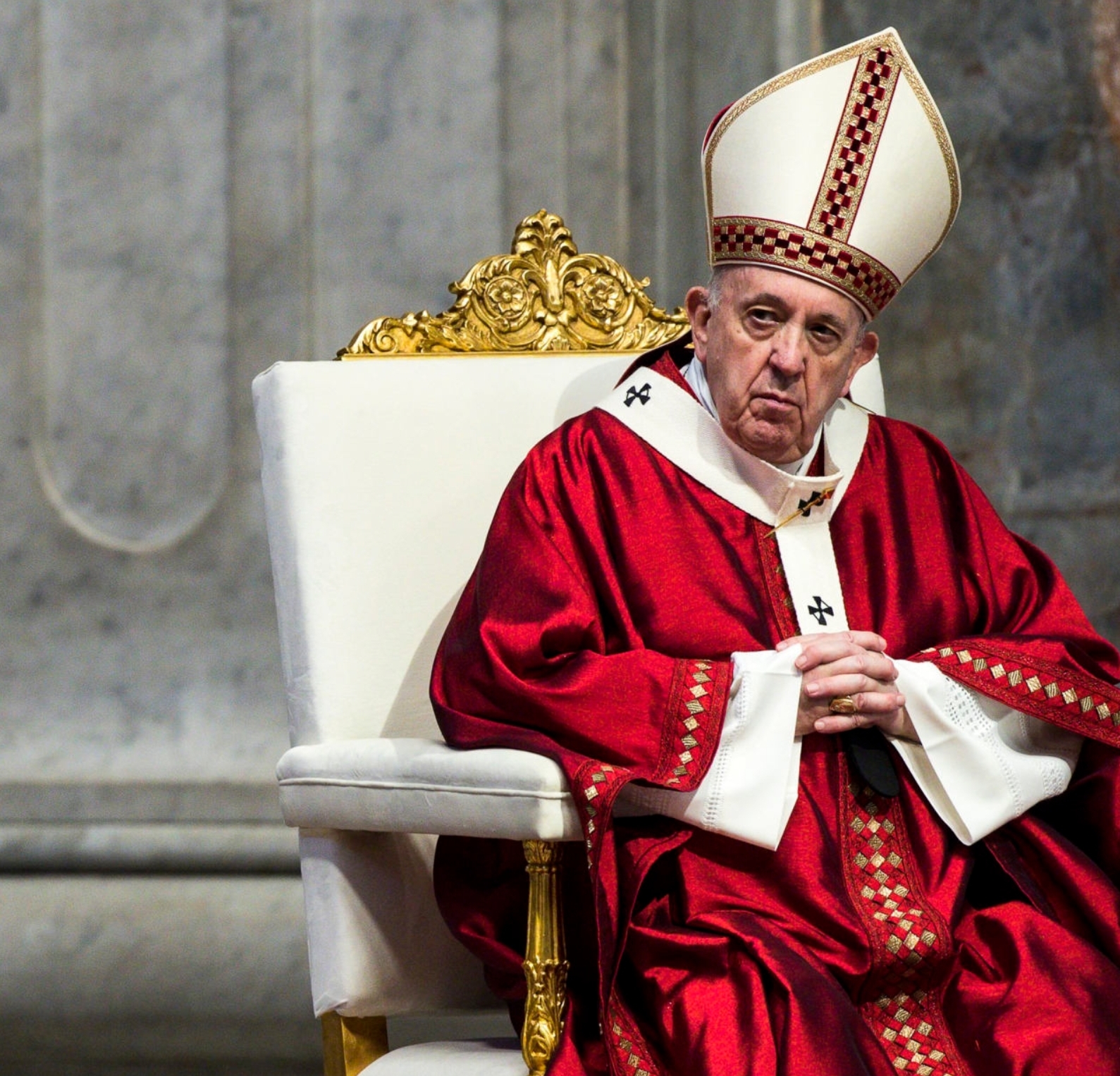



Easter will always be remembered as a significant moment in the Christian calendar, however, following 2025, the Church will carry a rather sober memory alongside the celebration of Jesus Christ’s resurrection. Leader of the Roman Catholic Church, Pope Francis passed away on Easter, April 21st, 2025, marking the end of a papacy defined by compassion, reform, and a commitment to social justice. He had served as the head of state of Vatican City since 2013 and died at the age of 88. Born Jorge Mario Bergoglio in Argentina, he became the first Latin American pope and the first Jesuit to hold the position.
In the hours following the announcement, religious and political leaders around the world expressed condolences and admiration for Pope Francis’s work. Many praised his efforts to modernize the Church while staying grounded in traditional faith.
Pope Francis’s death comes at a time when the Church faces both internal challenges and a rapidly changing world. His emphasis on humility, inclusion, and action on climate change resonated with many, but also sparked debate. His passing opens the door to a new chapter in the Church’s long history—one that will be shaped by the choice of the next leader.
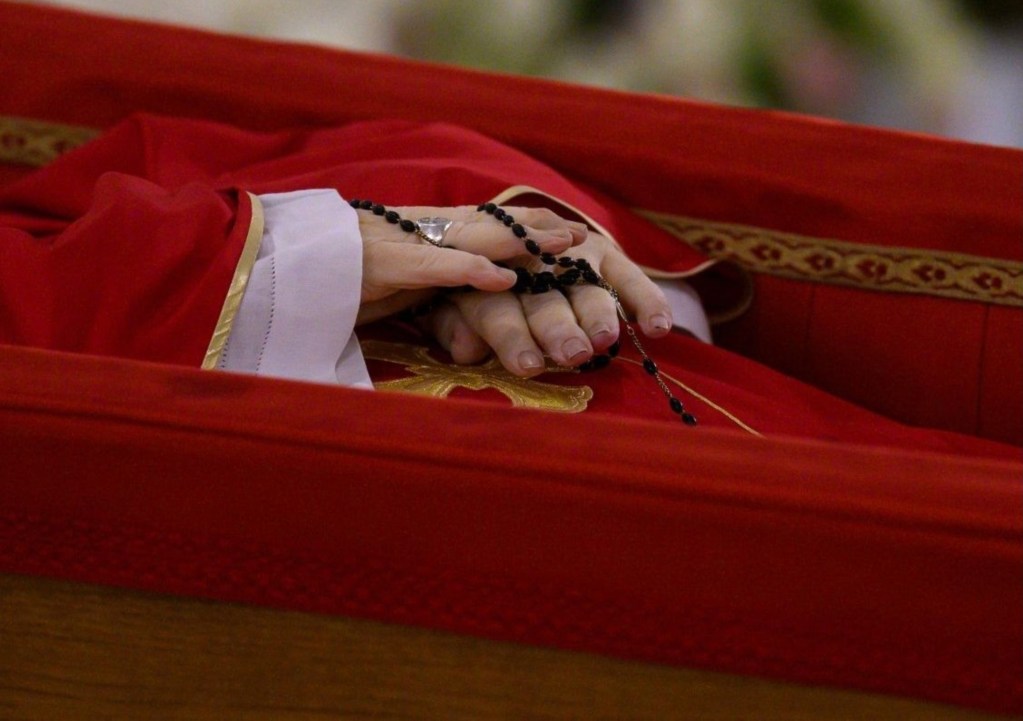
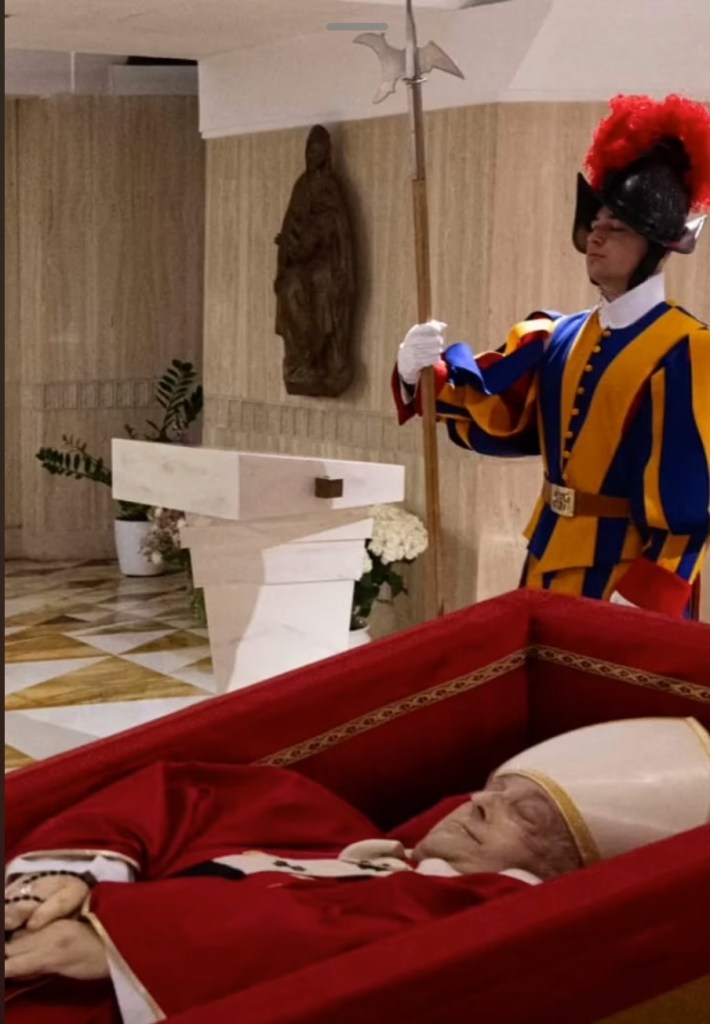
Pope Francis will be laid to rest in the coming days, with a funeral Mass expected to draw global attention. Details regarding the location of his burial and the ceremony itself are being finalized.
Following the tragic death, the Church now enters a period called Sede Vacante, meaning ‘the seat is vacant’ in Latin. During this time, the day-to-day affairs of the Vatican are managed by the Camerlengo—the appointed Senior Cardinal responsible for overseeing operations until a new pope is chosen. According to the Apostolic Constitution Universi Dominici Gregis, the church now has 15-20 days after the vacancy of the Holy See until the conclave must begin, after which the new pope will begin his pontificate. This gives time for all College Cardinals to arrive in Rome and for funeral rites to be completed, after which the Conclave begins, the secretive election of a new pope in the Sistine Chapel continuing until a candidate receives at least two-thirds of the votes. The appearance of white smoke from the chapel’s chimney will indicate once the new candidate has been chosen.

Possible Successors
As millions mourn his passing, the world now turns its attention to the Vatican, where history is once again about to be made.While the outcome of the conclave is never certain, some cardinals have been mentioned frequently in Church circles as potential successors. These include cardinals from Africa, Asia, and Latin America, reflecting the Church’s growing diversity and global reach. Whether the next pope will continue Francis’s progressive tone or take a more conservative stance remains to be seen.
Progressive and Moderate Candidates
Cardinal Luis Antonio Tagle (Philippines, 67)
Often referred to as the “Asian Pope Francis,” Cardinal Antonio Tagle shares many similarities with Pope Francis, particularly in his emphasis on social justice and inclusivity. However, his open and welcoming stance toward LGBTQ individuals has sparked significant opposition among more conservative members of the Catholic Church. Tagle is also widely recognized as a proponent of evangelization, earning him the reputation of being “perfect for evangelization.
Cardinal Pietro Parolin (Italy, 70)
Cardinal Pietro Parolin, a seasoned diplomat, currently serves as the Vatican Secretary of State and is regarded as a stabilizing presence within the Church. While supporting the continuity of Pope Francis’s vision, he adopts a more centrist stance on doctrinal issues.
Cardinal Matteo Zuppi (Italy, 70)
Cardinal Zuppi is considered a controversial figure by some, due to his strong emphasis on dialogue with the LGBTQ community. Currently serving as the President of the Italian Episcopal Conference, he has also played a prominent role in global diplomacy. Zuppi is known for his active involvement in international peace missions, including efforts in Ukraine and the United States.
Conservative Candidates
Cardinal Peter Ere (Hungary, 72)
Cardinal Erdo is the most likely conservative candidate with firm stance on secularism. Peter is a theological conservative and has opposed allowing divorced or remarried Catholics to receive Holy Communion. His election would certainly signal a return to more traditional Christian values.
Cardinal Fridolin Ambongo Besungu (DR Congo, 65)
Representing Africa’s rapidly growing Catholic population, Cardinal Besungu has been a vocal critic of blessings for same-sex unions. A culturally conservative figure, he is leading the Church in one of its fastest-growing regions.
Cardinal Raymond Leo Burke (USA, 76)
The American Cardinal Raymond Burke is known for opposing Pope Francis’s reforms and for his outspoken support of traditionalism. He has consistently criticized liberal positions, including LGBTQ rights and civil marriages. Cardinal Burke advocates for a return to strict adherence to Catholic doctrine.

Subscribe to continue reading
Subscribe to get access to the rest of this post and other subscriber-only content.