




“We see everything; From living rooms to naked bodies.”.Meta Employees Reveal Their Job is Reviewing Users’ Private Footage from Ray-Ban Meta Glasses
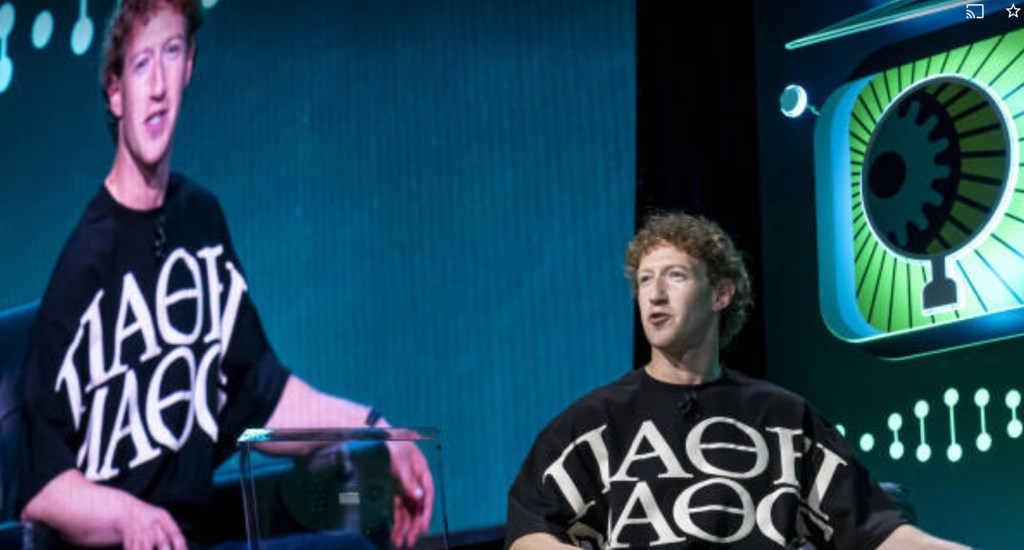
Zuckerberg’s Meta has faced significant controversy in early 2026 over its Ray-Ban Meta Smart glasses, particularly regarding the AI integration. These glasses feature a built-in camera, microphones, speakers, and Meta AI integration, enabling capabilities such as real-time object recognition, answering user-requested questions about the surroundings, translation, and much more. Additionally, the glasses are equipped with a red indicator light intended to show when recording is active. There is also an additional feature added by meta, allowing users to contribute to the AI’s training by sharing their own media with it.
The “reviewed” media isn’t the raw images people record; rather, it consists of videos generated by users using their Meta glasses, as reported by the organization’s spokesperson. However, this does not mean the content is AI-generated; it’s simply a technical term for the media shared by users that undergoes AI processing. This feature within the glasses allows users to share media recorded with the Meta glasses to help the AI better understand images, objects, actions, and context. Meta has stated that no image or video shared in this manner will be publicly available; it remains private to the user only. The recent surge in the popularity of the glasses has raised widespread concerns about misuse, especially after it was revealed that these recordings are reviewed by real people and not solely by AI. The story gained international attention in February 2026 when workers from Sama, a California-based outsourcing firm, spoke out to the Swedish newspaper Svenska Dagbladet and Gøteborgs-Posten . Meta’s response? They terminated the department and ceased its operations withnin 2 months.
The scandal was recorded by one of the employees, clearly showing explicit content on multiple screens. The footage reveals an office setting with a small group of people, each within their workstation watching recordings independently. These employees described being tasked with labeling footage and transcripts from the Meta glasses. They reported seeing both consensual and non-consensual recordings of others, including footage of individuals undressing, using restrooms, naked couples, and numerous intimate scenes, as well as other private moments. One anonymous worker stated, “We see everything; from living rooms to naked bodies.“
Within two months, in April, Meta quietly terminated its contract with Sama, requiring the company to lay off over a thousand workers in its Nairobi division. “Sama operations did not meet our standards,” stated by a spokesperson for Meta. The organization later pushed back, asserting that it had consistently met the operational, security, and quality standards across client management. At no point were they notified of any failures. Contractual termination of this type usually involves a significant payout, and there is a strong possibility that Sama is entitled to it. They firmly stand behind the quality and integrity of their work, as reported by their workers. Workers and groups like the Africa Tech Workers Movement alleged that the termination was retaliation for speaking out—emphasizing standards of secrecy, in their perspective—rather than any issues with performance. Multiple lawyers and labor unions have expressed their views on Meta’s decision and joined the global online movement to protect workers in the Global South.
Following the May 2026 BBC report on the issues related to workers’ rights, the UK Information Commissioner’s Office has also contacted Meta regarding these reports but has yet to receive a response. The scandal has prompted regulatory scrutiny, as both Kenya’s Office of the Data Protection Commissioner and the Swedish Commission have opened investigations into privacy concerns, with many other commissions considering following suit. This isn’t Sama’s first controversial deal with Meta, they were previously responsible for Facebook’s content moderation and faced significant criticism over exposure to traumatic content and their first contract termination by Meta as we reported in an earlier article. Meta has emphasized consent and user controls in public statements, but the incident highlights clear loopholes and data extortion, as well as privacy concerns. Currently, Meta does not have an active internal investigation into this incident; however, it is evident that they could face significant fines in the future depending on the Commissions findings.
If you wish to stay up to date with the latest developements in AI and privacy scandals, Meta’s smart glasses controversies or global tech accountability, subscribe to our newsletter, or head straigh to Meta’s official Newsroom.

Subscribe to continue reading
Subscribe to get access to the rest of this post and other subscriber-only content.