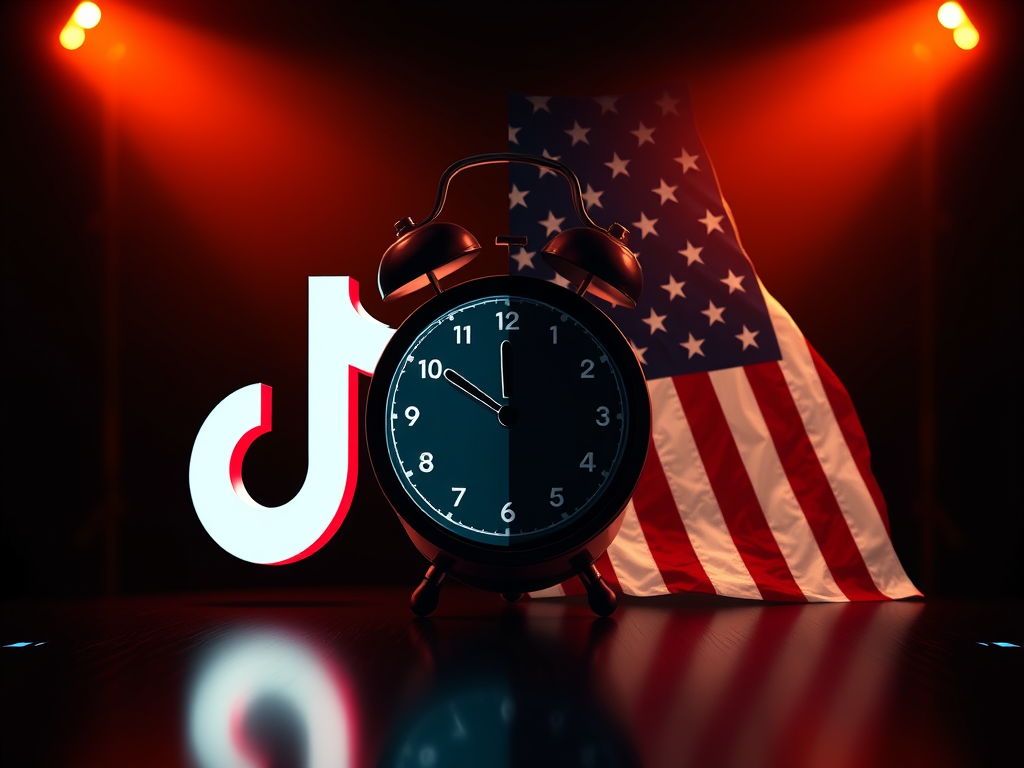







The growing conflict between the Chinese manufacturer ByteDance and the U.S. government took a surprising turn when the developers of the social media app announced plans to sell its operations in order to comply with growing political pressure from the U.S. government.
This regulatory movement stems from the Protecting Americans from Foreign Adversary Controlled Applications Act, passed by the U.S. Congress in April 2024. The law required ByteDance to sell its U.S. operations by January 19, 2025, or face a nationwide ban. As we discussed in our previous article, the U.S. Supreme Court upheld the act on January 17, 2025. As a result, TikTok became unavailable in the United States on January 18, even displaying a message to users stating, “We are fortunate enough that President Donald Trump has indicated that he is willing to work out a solution once he has taken his seat in office.”
President Trump kept his promise and has since extended the divestment deadline twice — most recently on June 17, 2025 — allowing the social media app until September 17, 2025, to comply. TikTok currently has around 170 million U.S. users, the majority of whom support a ban. With that being said, advertisers, creators, and e-commerce sellers who rely on the app as their main source of income are now preparing for disruption. Some have even paused their campaigns and begun building a presence on alternative platforms.
To comply with the law, the platform is now developing a U.S.-specific version of its app, internally codenamed “M2,” which is slated to launch on September 5, 2025. The original TikTok app will gradually cease functioning, and american users will be required to switch to the new version by early 2026. ByteDance is currently working closely with American firms such as Amazon, AppLovin, Perplexity AI, and others to explore a version of TikTok that leverages blockchain technology, giving users greater control over their data.
ByteDance is preparing a U.S.-only version of CapCut, its popular video-editing app, signaling a broader localization strategy aimed at American users. The proposed sale must be approved not only by U.S. regulators but also by the Chinese government, necessitating high-level diplomatic negotiations between the two countries. It remains unclear whether the U.S. version will retain popular features like the “For You” feed, which relies on user data for personalization. However, users can expect significant changes to the app’s interface and functionality that may prompt some to shift toward competitors such as YouTube Shorts or Instagram Reels.
To follow the latest on TikTok’s political battle and ByteDance’s U.S. pivot, subscribe to our newsletter — or visit the U.S. Federal Trade Commission (FTC) for official statements and regulatory updates.