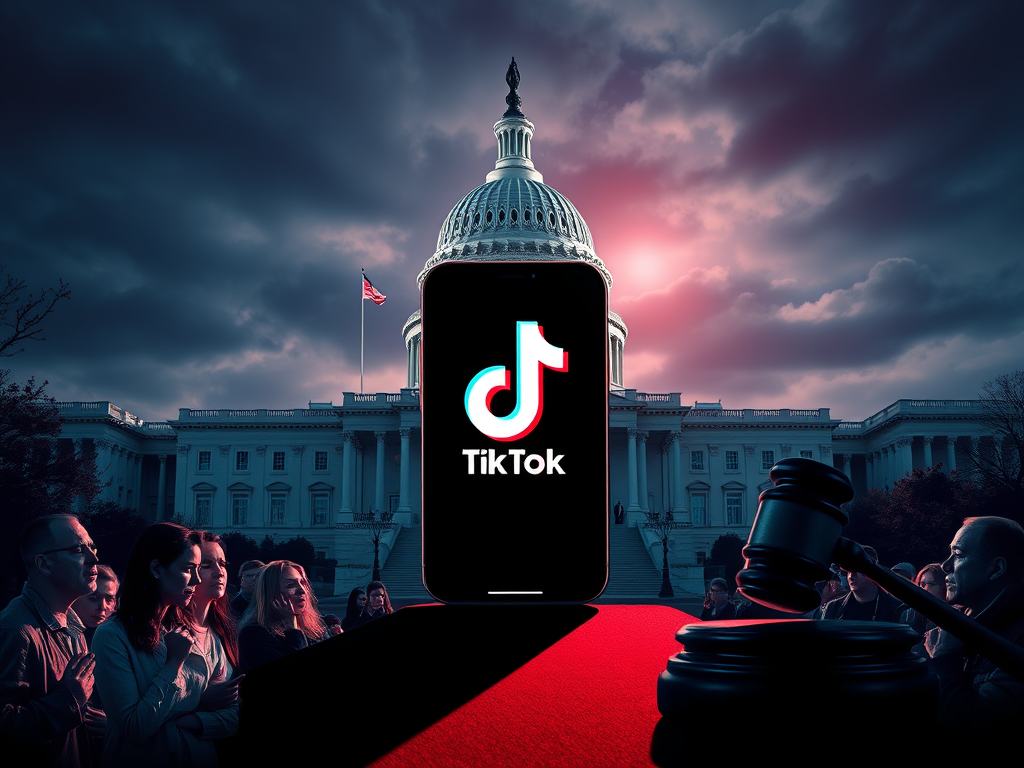





Tiktok is one of the most used social media with an average 1.5billion monthly activity on the platform.The short-form video app, has taken the world by storm, capturing millions of users, including business, and even big corporations. The social app is especially successfully in the U.S., however concerns regarding national security and data privacy has led to growing calls for it’s ban, creating enormous amounts of controversy and political debate. The debate weather to ban TikTok in the United States is an ongoing issue since 2021, however recent developments have accelerated discussions, and it is becoming clearer that the platform might have to face significant drop in the daily user counts as Ban is about to be approved in the States.
The platform was launched in 2016 by a Chinese technology company, ByteDance. Tiktok quickly became one of the most downloaded apps globally. In the United states,it garnered immense popularity especially among younger demographics, features allowing users to create income from the viral videos allowed the platform to stand out not just as a social media platform, but also as an excellent advertising tool. As of 2023, the app had over 150 billion monthly active user making it a cultural phenomenon. Despite the platforms quick success, the apps future has been shadowed by growing concerns, particularly from the States regarding the organisation’s ties to Chine and it’s potential misuse of user data.
The exact mechanics of the desired ban are still unclear, some options have already been proposed by the U.S.’s lawmakers. The full national ban could include blocking access to the platform via the Apple App Store or Android Play Store. There is also possibility to the Congress to pass down a legislation restricting the apps ability to operate in the U.S. or require the undergo increased scrutiny and compliance with U.S data protection standards. This latest option could force ByteDance to restructure it’s operations in the states to reduce the Chinese government’s access to the stored user’s data.

TikTok’s popularity has spurred the growth of a massive ecosystem consisting of brands, advertisers, and media outlets that have integrated the platform into their marketing strategies. A ban would have a fare reaching economic impact, especially on the marketing and advertising industry, which has become a multi billion dollar industry enterprise. The potential to ban TikTok has drawn considerable concern from the millions of american users, including small business, corporations and content creators, whom substantially rely on the platform’s generated income as a considerable chunk of their income or media reach. Many influencers and so called “stars” have built substantially followings and businesses based on the platform’s viral nature allowing it to become one of the most popular advertising platform. A ban would disrupt these creators carriers and live hoods.
Some users also argues that a ban represents an infringement on free speech, pointing out that TikTok has become a significant avenue for creative expression, allowing information to reach millions of users. The nature of the platform allowed it to play role in political discourse and even social movement such as the Black Lives Matter protests in 2020.
Political Grudges
The controversy around TikTok in the United States is part of a larger geopolitical struggle. As of 2025, multiple legislative actions have been taken in response to the increasing concerns over cyber security.
The Growing Concerns Over National Security and Data Privacy
The U.S.’s primary concern with the social platform stems from it’s parent company, ByteDance, which is based in Benjing. American Government have raised concerns regarding the user’s data being handled, potentially stored, and even sold in the foreign country. Lawmakers fears that the Chinese government could even exploit TikTok’s data to spy on american users or manipulate the platform for political purposes. These fears have been amplified by China’s strict data control laws, which could compel ByteDance to hand over users data if requested by the Chinese government
United STATE’S government has expressed concerns that TikTok could be used to collect vast amounts of date from its users, such as browsing habits, location data, and personal information that are saved on the platform. U.S. also accuses the organization to be giving unrestricted access to the Chinese government to the so collected data.United States’s government has expressed concerns that TikTok could be used to collect vast amounts of date from its users, such as browsing habits, location data, and personal information that are saved on the platform. U.S. also accuses the organisation to be giving unrestricted access to the Chinese government to the so collected data.
Additional accusations regards to the social media platform’s algorithm, and that it could be used to influence the user’s behavior or political opinions by promoting or suppressing certain types of content
Legislative and Political Efforts to Ban TikTok
In 2020 the Trump Administration stated first intent on banning TikTok as the first major attempt in the upcoming legislation. As for the first and unsuccessful attempt the administration cited national concerns. In 2020 July , former President Donald Trump issued an executive order calling for a ban on TikTok unless ByteDance sold it’s U.S. operations to an american company. The government feared that the platform could be used for disinformation campaigns. Despite the efforts , the proposed ban was never implemented. ByteDance sought to resolve the issue by a long lasting negotiation involving cooperating with organisations based in the states to create a U.S. based entity for TikTok. While the legal battles prevented any formal actions being enacted, the matter remained unresolved as Trump left the office.
When Joe Biden was assigned for the presidency in 2021, the administration took a more measured approach to the issue, although the concerns regarding unjust data handling still remained. In June 2021, Biden signed an executive order that aimed to review the national security risks posed by TikTok and other apps tied to adversarial foreign government.
However the review left unattended and was sought to evaluate. In 2023-24, bipartisan support for a ban on TikTok in the States has grown stronger, members of both parties have raised concerns about the app’s potential to jeopardize national security,with some arguing that the risk posed by TikTok is too great. The concerns were exacerbated by reports in 2023 that Chinese officials might have been able to access sensitive data through the app’s operations in the States. This spurred further, more aggressive stance on the Congressional hearings from the lawmakers. Some states such as Texas, Montana, and North Dakota have already implemented their own bans on government devices.
Countries that have already banned TikTok
Amongst the states, there are some countries that has either banned or imposed some restrictions on the social platform due concerns over privacy,political interests, or the impact on youth. India has banned TikTok in 2020 June, over concerns about immoral content. The move was followed by Pakistan, Indonesia , Bangladesh, and Afghanistan all countries raising concerns about the spread of pornography, inappropriate often described as “immoral” content and the platform’s influence on youth. Several other countries has also imposed temporary or partial bans.
Current list of the countries that has placed permanent block on TikTok;
- Afghanistan
- China
- India
- Iran
- Jordan
- Kyrgyzstan
- North Korea
- Somalia
- Uzbekistan
- And as of 19.01.2025 USA

TikTok’s battle in the U.S. is part of a broader global struggle over digital sovereignty and control over media as well as data. Several other countries has raised their voice to ban or restrict the social app, particularly regarding it’s ties to the Chinese government. The European Union has launched investigations inte the apps data protector practices.
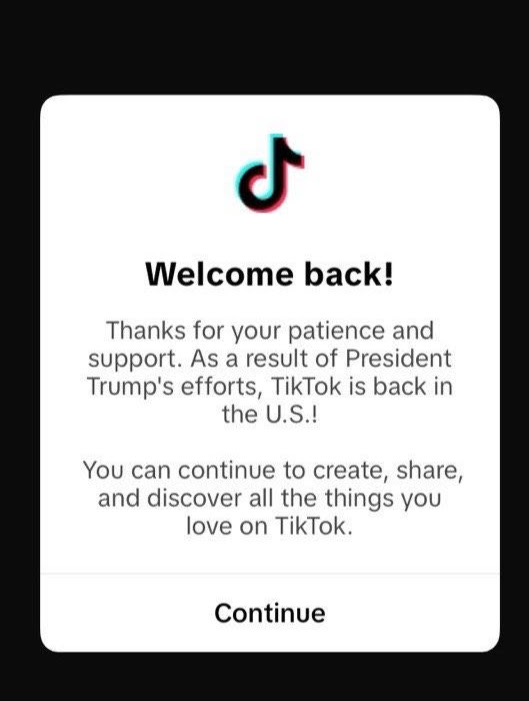
AS of 19.01.2025 the U.S. has banned TikTok, however it’s future position remains fluid. While calls for the restrictions to be lifted the contradicting actions of Trump foretells an unclear future in regards to ByteDance’s operations in the U.S.
If the ban remains permanent it could result in losing the organisation’s potential to withheld it’s position as one of the most successfully media platforms. Reported in 2023, the States generated estimated 40-50% of the app’s global revenue. This number is largely driven by advertising as currently, TikTok is one of the largest market for both user base and spend. The pressure is mounting to address the concerns and reconstructs it’s operations to comply with the U.S. regulations. The ban could mark a significant shift in the global digital landscape and could set a lead to other countries to take similar actions against the foreign owned tech companies

Subscribe to continue reading
Subscribe to get access to the rest of this post and other subscriber-only content.