






Vaping and e-cigarettes have been marketed for almost two decades as healthier alternatives to tobacco products like cigarettes, pipes, and snus. Tobacco, despite its historical value as a form of currency, has been glamorized since the 1950s for various uses. Reports indicate that it was suggested by doctors for numerous health conditions, including certain neurological disorders, nerve dysfunction, migraines, chronic fatigue, ADHD-like symptoms, and other neurobiological issues related to dopamine or focus. However, with tobacco products we have gradually learned that the combustion of these components can pose potential risks, often leading to respiratory problems, blood vessel blockages, breathing difficulties, lung damage, and even having a degenerative effect on the developing minds of young people, particularly up to the age of 25.
Current data on vaping primarily addresses short- to medium-term effects; however, it seems to surpass regular tobacco products in terms of toxicity. Recent scientific studies from reputable sources like the CDC, PubMed, and peer-reviewed journals confirm multiple harms associated with vaping and e-cigarettes. These harms include a significantly higher risk of cancer, respiratory damage, cardiovascular issues, concerns regarding brain development in youth, and other adverse effects. CDC research indicates that 80% of poison control calls involving young adults in the U.S. are related to e-cigarettes. The liquid, even in small doses, is absorbed through the mucous membranes, while the inhaled aerosols contain nickel, tin, lead, volatile organic compounds, and flavorings such as the commonly used diacetyl, which is linked to severe lung damage; this combination is highly cancer-causing, and otherwise harmfull.
These studies build on earlier findings, such as the NIH papers conducted in 2022, which detailed the significant blood vessel damage caused by vapes. While we still don’t have a completely clear picture of the long-term effects and more information is yet to emerge, several countries have collectively recognized the potential harm that vaping poses to their populations, leading to national bans. In the first round, disposable vapes were prohibited for sale, purchase, and use, as they were popular among users due to their low price. This began in Belgium in January 2025, labeled as “extremely harmful” by Health Minister Frank Vanderbroucke, who noted that they damage society and public health. France followed suit in late February after EU Parliament approval, citing environmental harm and health-related issues as reasons. England and New Zealand subsequently implemented similar bans later in June. Penalties vary by nation, ranging from fines to imprisonment for repeat offenders.
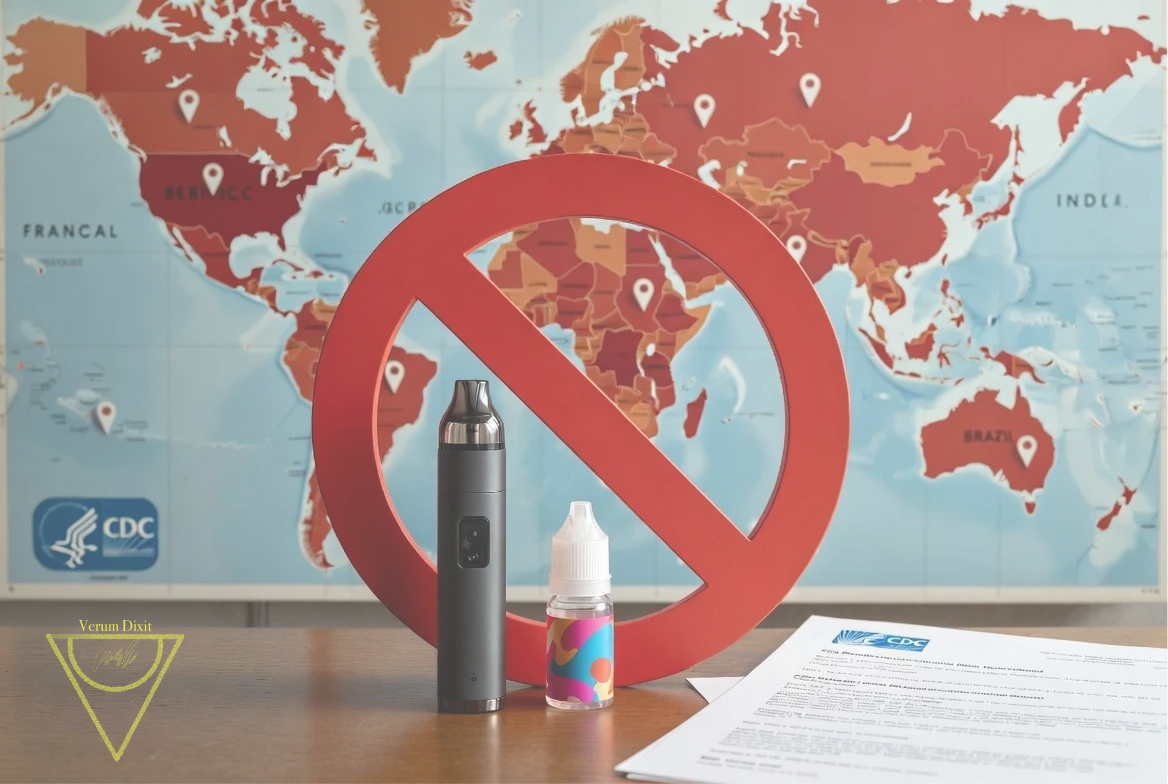
The industry shift was only broadly noticed when, in mid-2025, 46 countries and territories declared a complete ban on vape liquids and e-cigarettes, inherently banning all disposable and refillable devices. The reason for this was to protect public health from respiratory and cardiovascular harms and cancer, as well as unknown long-term effects. Yes, that is correct; as mentioned previously, we still have no idea about the long-term effects of vaping. Because vapes are relatively new devices, the data available spans a maximum of about 15 years, yet there is already enough information to justify a worldwide ban due to their immensely harmful effects. Although tobacco is known to be cancer-causing and poses threats of respiratory and cardiovascular damage, a ban such as this has never been imposed on regular tobacco products, highlighting how greater harm is posed by vapes.
Full List of countries that have banned vapes completely
Full list includes: Argentina, Brazil, Brunei Darussalam, Cabo Verde, Cambodia, Chile, Colombia, Egypt, Ethiopia, Gambia, India, Iran, Iraq, Jordan, Kuwait, Laos, Lebanon, Malaysia, Mexico (expanded import/sale bans into 2026), Nicaragua, Norway, Oman, Panama, Qatar, Singapore, Sri Lanka, Thailand, Türkiye, Uganda, Uruguay, Venezuela, Hungary and others(see full PDF for complete/current list).
In summary the evidence from 2025 sources and before consistently links vaping to higher, measurable harms than regular smoking tobacco, prompting targeted bans in several nations. If you wish to stay up to date in regards to the latest vaping regulations and bans worldwide, subscribe to our Newsletter, or for the absolute latest specific enforcement details, check official government or WHO sites as policies evolve quickly.

Subscribe to continue reading
Subscribe to get access to the rest of this post and other subscriber-only content.