
Japanese government has made an unexpected move by lifting up it’s ban restricting human-animal research practices. Japan has taken a new approach in their scientific researches and has proposed a new project leading by Hiromitsu Nakauchi – scientist of University of Tokyo- to create human-animal embryos, aiming to cultivate human organs within animal hosts for transplantation purposes. This initiative led by stem cell scientist Hiromitsu marks the first Government-backed project of it’s kind since the ban has been lifted on such practices.
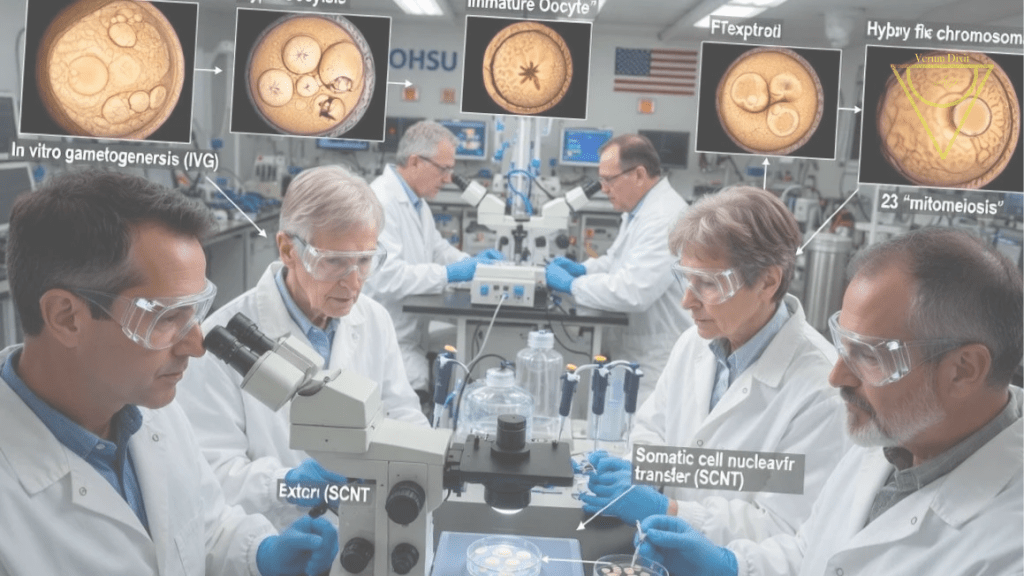
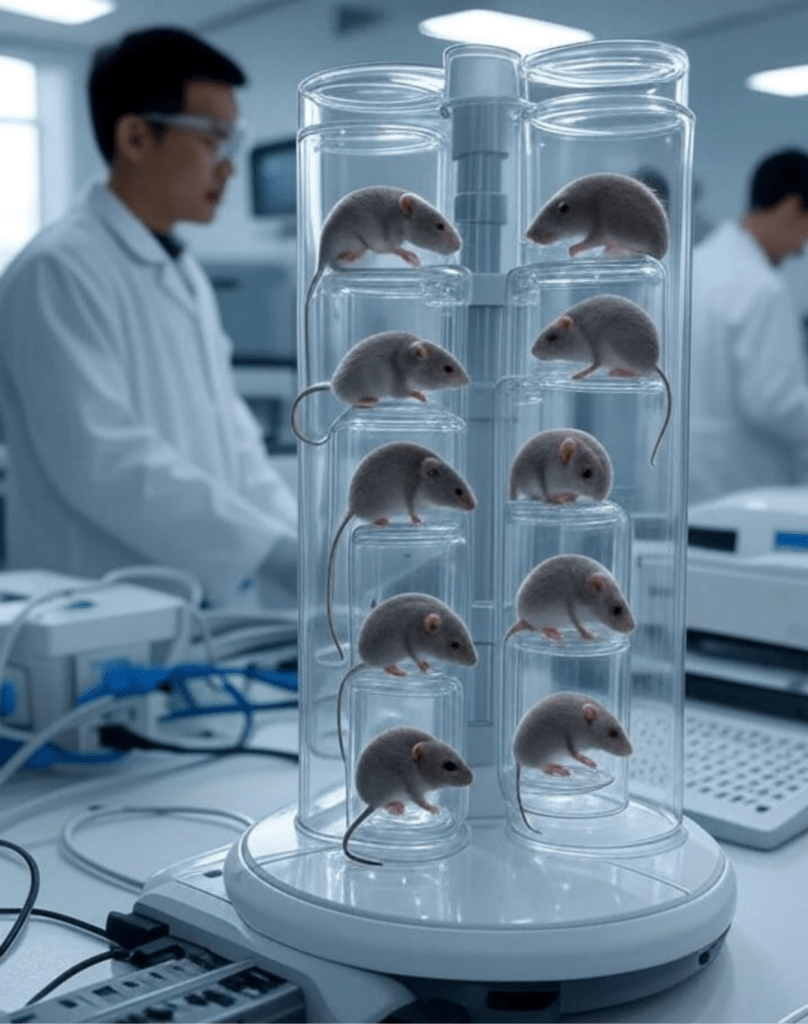
The proposed research is an alleged attempt to address the shortage of human organs available for any individuals who is waiting for an organ donor as a result of any sort of illness, congenital disease or injury. Scientist first will first going to have to test multiple spices , and decide one that could be suitable of such evolving within this laboratory environment. Upon finding the suitable subject, the process further involves injecting human induced premature stem cells (IPS) into genetically modified rodent embryos that are incapable of developing a particular organ, such as the pancreas.
When introducing these human cells, to the host, the embryos are expected to develop the missing organ composed predominantly of human cells, and later on these embryos are implanted into a surrogate animal mother, where it could further develop.
Regulatory Landscape
The regulation to lift ban on such practices follows Japan’s revision of it’s regulatory guidelines back in 2019. Prior to it’s revisit, certain regulations were prohibiting the cultivation of human-animal embryos beyond 14 days, or their implantation into a uterus, however the updated policy now permits embryos containing human cells to be brought to term within animal surrogates, provided specific conditions and maximized transparency. This new regulation shifts positions at Japan at the forefront of a controversial area of biomedical research
Future Implications
The research is currently in very early stages, and practical applications may be years away, only if the policy remains in place. The potential to grow human organs in laboratory environment could revolutionize various fields.
Success of this project could alleviate the chronic shortage of donor organs and reduce transplant waiting times, offering more affordable, replicable and modifiable organs for countless of patients worldwide. However it is crucial to carefully review it’s moral and ethical righteousness of such practices, and underscore the necessity for transparent and responsible advancement in this sensitive domain
Moral and Ethical Considerations
This project, as expected , has ignited ethical debates, particularly pointing at the potential for human cells to migrate beyond the intended organ, affecting the animals brain or developing unexpected organs. One of the lab’s proposed idea to mitigate such risks to monitor the human cells, and if a number of them are defected in the animal the experiment will halted and the subject disposed of. Head of the project, stem cell scientist Nakauchi emphasize cations approach, stating that while the ultimate goal is to cultivate human organs in animals, if deemed necessary immediate steps will involve careful incremental process and careful observation .
Legitimate concern or baseless fear?
Japan once again has become the focal point of the world and it can safely be said that we have entered into a new area of medical science, and we are thrilled to see how this project will unfold itself .
The announcement of this new policy, and the following research proposed by Nakauchi raised some serious ethical and moral concerns. While the new approach could address major issues, such as the worldwide shortage of available organ donors, it is crucial to understand and carefully review the regulatory landscape and it’s moral righteousness to avoid creating further issues while addressing the present.
If you wish to follow the news regarding this controversial science project, subscribe to Verum Dixit!

Subscribe to continue reading
Subscribe to get access to the rest of this post and other subscriber-only content.