
The recently erupted US-Iran conflict escalated dramatically when the US and Israel launched large-scale airstrikes on Iran on the 28th of February 2026. The strikes targeted key Iranian military infrastructure, missile and air defense sites, as well as nuclear facilities. Iran responded with waves of ballistic missiles and thousands of one-way attack drones targeting US and allied military sites across the Middle East, but no one expected the consequences.
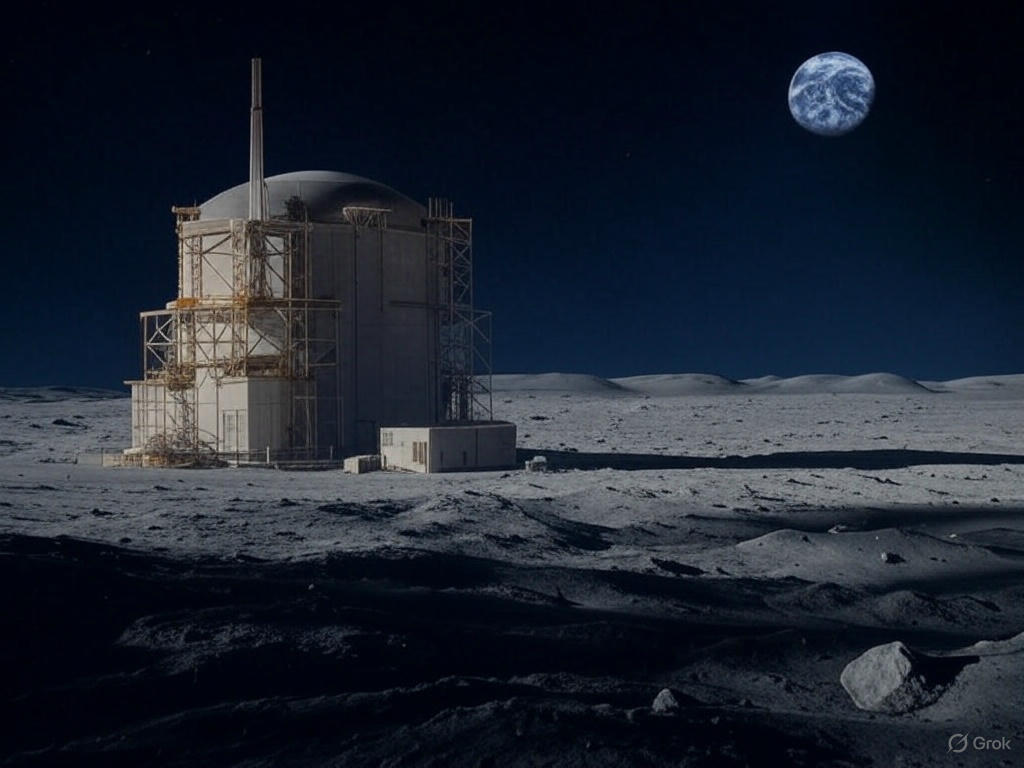
The retaliatory strikes specifically targeted US military communication and radar infrastructure bases in at least five Gulf countries: Bahrain, Qatar, Kuwait, Saudi Arabia, and the UAE. Satellite imagery and verified videos (analyzed by The New York Times and other independent media) showed significant damage to radomes (domes protecting sensitive radar and communication antennas), SATCOM terminals, and other related facilities, consequently, the operations of these communication centers were terminated. These radars and connected facilities are not merely civilian radio stations, they are the US military’s long-distance command and control as well as missile defense tracking and coordination centers. Iran used precision strikes to target these locations deliberately to disable the US “digital nervous system” and degrade their ability to detect incoming threats, real time communication and cordination. The mission was succesful, but it uncovered something hidden in plain sight.
Iran has endured a severe multi-year drought, with reservoirs critically low, raising fears of “Day Zero” water shortages for many supplies and leaving dams nearly empty by early 2026, which has driven its economy into a hostile state. The low water availability in this region translates to a lack of resources to grow their own food and irrigate farmlands, severely compromising their ability to be self-reliant. Given the already precarious situation of the country, importing these essential supplies is simply not feasible. Fortunately for Iran, following early March strikes on U.S. radar and communication sites, reports emerged of unusually heavy rainfall across parts of Iran and neighboring countries such as Iraq.
Storms began pouring in late March 2026, bringing intense rainfall—up to several inches per hour in southern Iran—across the region, with forecasts predicting flooding, as reported by GDACS. Within a few days, by the 28th of March 2026, active flooding reports emerged from Fars Province and other Iranian areas, as noted by the Iranian Red Crescent. The Darian Dam near Paveh, which had been reported empty just weeks earlier, overflowed for the first time in seven years, while other dams reportedly reached capacity.
Darian Dam Overflow – Paveh, Iran (March 2026)
The dam, reported nearly empty just weeks earlier, now overflowing for the first time in 7 years after the sudden heavy rains.
For the first time in years, rivers flowed again, vegetation returned, and even some late April snowfall was reported in certain areas following the incident. Originally, the heavy rainfall was associated with the Iranian cloud seeding attempts back in November, which is a new type of geoengineering technique that involves releasing certain chemicals at higher altitudes to encourage cloud formation. This experiment has apparently been ongoing since early 2025, however this idea was dismissed due to the large time gap. – read more about this in our previous post. Coincidentally, as soon as the strike occurred, rain began pouring so quickly that it spread the news of the destroyed communication centers faster than local media could report.
These communication systems are part of the U.S. missile defense system, air surveillance, and communication across Gulf bases. They were built and activated gradually starting in 1991. The new proposed theory, primarily propagated by pro-Iranian outlets, suggests that these communication stations have had a direct effect on the clouds above a significant portion of the Middle East. Some experts believe that these constantly operating radio stations have influenced the stratosphere. They argue that this geoengineering network was designed to block rainclouds and create drought conditions in Iran in times where never it would benefit the U.S. Furthermore some posts explicitly called the installations “rain-blocking weapons” or tied them to HAARP-style ionospheric tech or cloud-seeding programs.

The past 3 decades’ statistics clearly show a steady upward trend in Iran’s temperature; however, each period of drought or low precipitation causes the economic state to drastically decline. The interplay between rising temperatures and diminishing rainfall not only impacts agricultural productivity but also exacerbates economic instability, affecting the livelihoods of many. While it is evident that such an influence over the economic state and the overall GDP of these Middle Eastern countries could benefit the U.S. in various ways, could an active conspiracy of this magnitude remain unidentified for this long?
Geoengineering is now a well-accepted and highly valued scientific approach to achieve certain weather modifications within a specific area, and in some cases, globally. Scientific claims suggest that techniques such as solar radiation management can create zones that effectively disperse clouds, potentially enhancing sunlight penetration. However, the environmental consequences of these interventions could be more detrimental than anticipated, raising significant concerns regarding their long-term impacts. But as for what we know now, Iran’s Meteorological Organisation released a statement in April 2026 explicitly rejecting these claims. Meteorological experts assert that radars are passive detection tools with insufficient energy to alter cloud patterns or temperature; thus, the theory has been widely criticized.
If you wish to stay informed about the ongoing geoengineering projects and related developements in the Middle East, be sure to Subscribe to our newsletter for the latest updates, exclusive insights, and in depth analysis delivered straight to your inbox. Alternatively, you can read the original discussion on this intriguing topic and explore the full details by heading straight to the Economic Times by clicking here

Subscribe to continue reading
Subscribe to get access to the rest of this post and other subscriber-only content.