

A 19-year-old woman has gone viral after demonstrating a neuromuscular electrical stimulation suit that enabled her to rise from the wheelchair she had used for six years — and walk.
Emelie (also known as @emelieetr on TikTok) is a 19-year-old from Germany who was paralyzed from the waist down in 2019 after a spinal cord injury sustained during exercise, affecting the T11/T12 vertebrae. Her recent TikTok video, showing her standing and walking with the aid of the suit gained over 34 million views across the platform, drawing widespread attention and praise.
@emelieetr First time standing and walking after 6 years 🥺❤️ #molliisuit #spinalcordinjury #paralyzed
♬ original sound – emelie
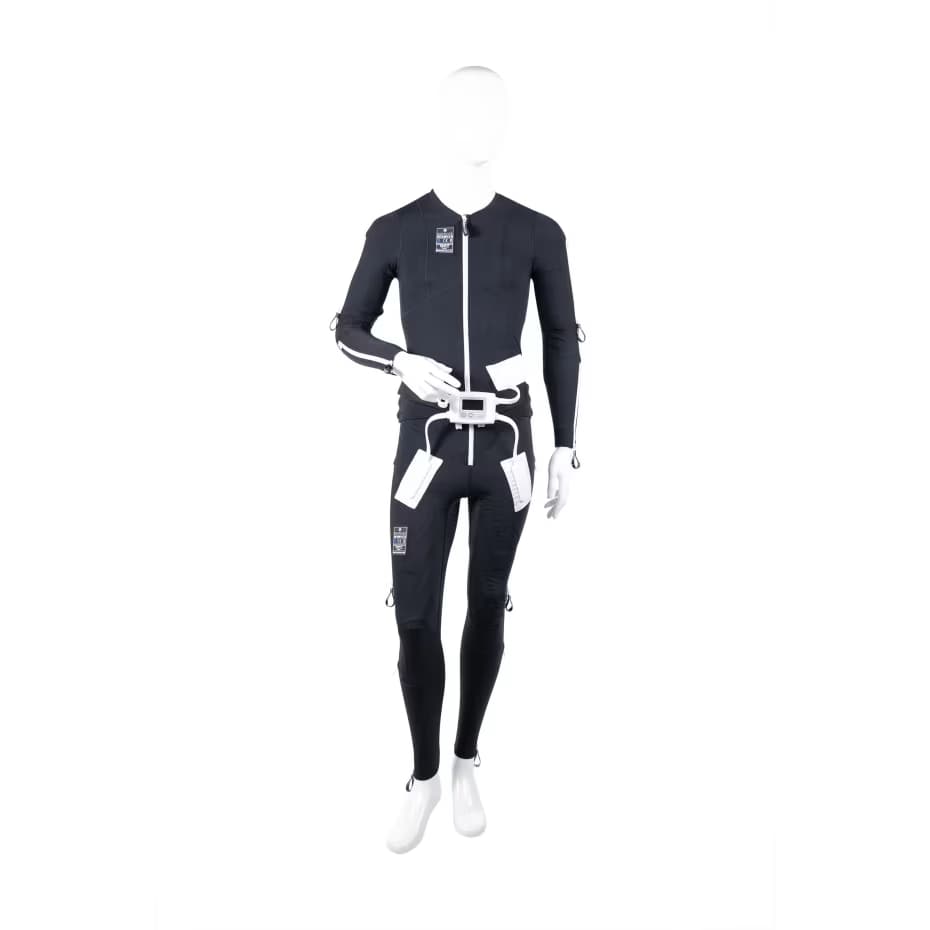
The Exopulse Mollii Suit, developed by Ottobock, is a full-body suit embedded with 58 electrodes that deliver low-frequency electrical stimulation to specific muscle groups for a set duration. These small electrical impulses don’t directly replace the nervous system; rather, they provide background stimulation to selected muscle groups.
In Emelie’s case, the injury has disrupted the neural signal pathways that pass through the spine—it did not completely sever or destroy those neural pathways but weakened them. This condition is referred to in the medical field as incomplete paralysis. Her brain is still able to send movement signals, but due to the damage caused by the injury, the messages cannot get through clearly or completely to the muscles to contract them. The suit provides background stimulation to the targeted areas, acting as a sort of neural amplifier, but it requires an existing and functional nervous system.

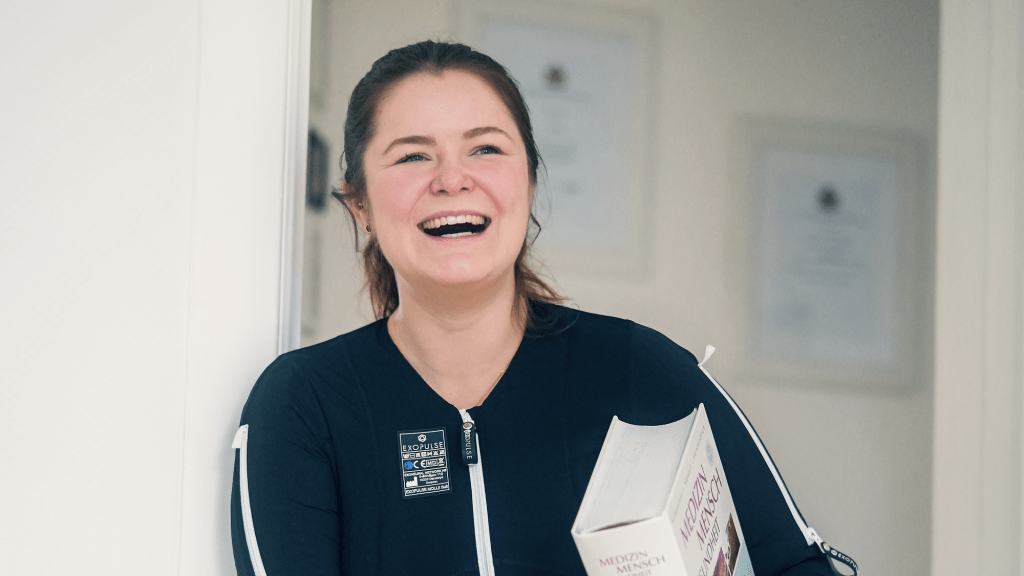

Success Stories of Exopulse Mollii Suit © 2020 by OTTOBOCK is licensed under CC BY-SA 4.0


The original Mollii Suit was released prior to 2020, designed to aid individuals with neurological conditions. Its second-generation version, the Exopulse Mollii Suit, was announced on September 19, 2024, at the Rehacare trade fair in Düsseldorf and is expected to become commercially available in Germany in 2025. Configured by a trained therapist and adjusted via a mobile app, the suit operates using two small control modules worn on the body, which connect to a docking station for charging and programming.With a price point around €9,000, it is considered more accessible than many high-tech mobility devices. As part of the growing neuromuscular electrical stimulation (NMES) market—projected to reach over $900 million by 2033—the Exopulse Mollii Suit offers a promising, practical solution for enhancing mobility and independence.
Originally developed in Sweden, the Exopulse Mollii Suit has demonstrated meaningful benefits in clinical trials, including improved posture, reduced spasticity, and better walking control. Positive feedback has come from users with multiple sclerosis in Germany and participants in a UK pilot study on Pompe disease, who reported improved motor function. While cost remains a concern in some cases, especially without insurance coverage, the suit’s lightweight, wearable design sets it apart from bulkier exoskeletons.

























































Leave a Reply