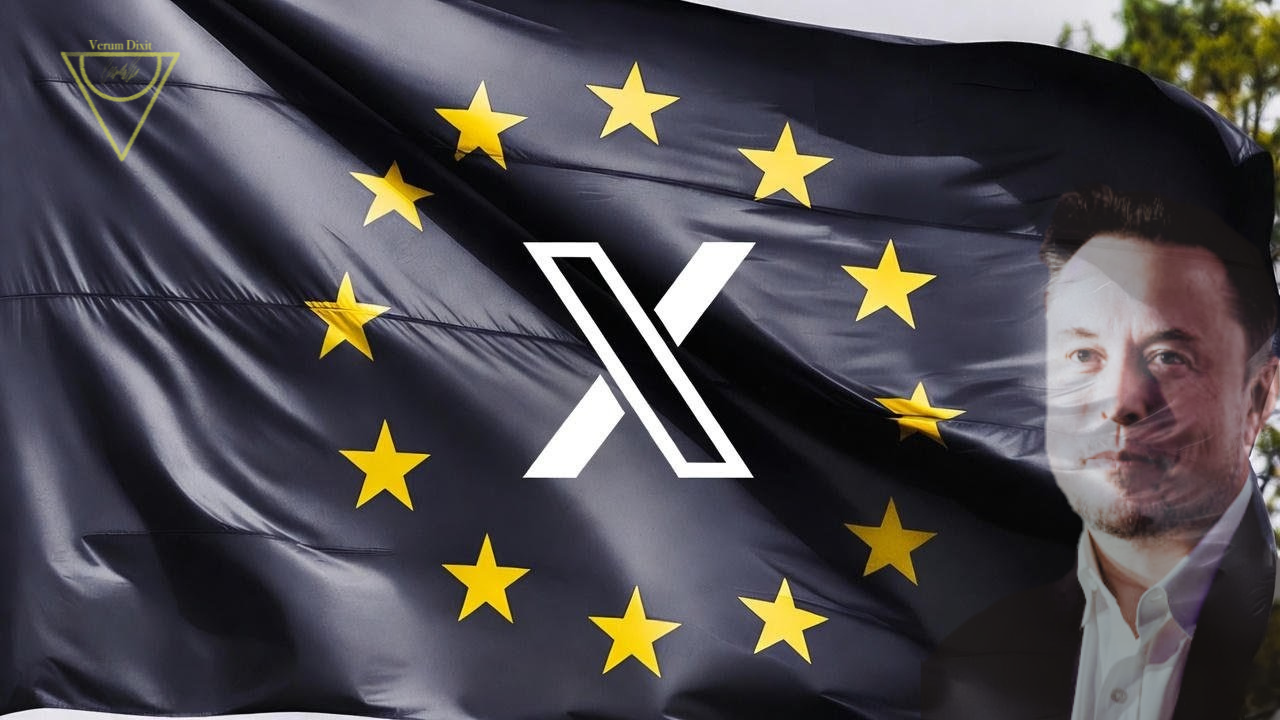





After Elon Musk purchased X (formerly known as Twitter) back in 2022 for $44 billion worldwide criticism and controversy sparked. While Musk argued that his intention was to protect freedom of speech and to build a transparent, trustworthy medium that could both deliver clear information to the public and contribute to the training of future generations along with artificial intelligence and intelligence models, yet for some, this acquisition signaled a different motive.
The European Commission rolled out a new regulation called the Digital Services Act back in 2024, which addresses and regulates digital content, disinformation, and advertising for online intermediary service platforms and search engines operating in the EU. The goal is to create a safer digital environment by locating and filtering (actively banning) certain information and features found within these platforms. This can include posts, claims, videos, and any other content shared by users, as well as certain verification features. This means that all platforms that wish to continue operating within the EU will be required to follow these new guidelines and transition their platforms in accordance with the regulation if they do not already comply. Under these circumstances, the European Commission has investigated thousands of platforms over the year and fined them if necessary, as well as ordered these organizations to take immediate action to shift their models to comply with the DSA. Of course, Musk’s X, which is known to be one of the largest social media platforms, could not be excluded from this regulation.
The Commission, following a two-year investigation launched in late 2023 into X‘s compliance with EU rules for platforms exceeding 45 million users—specifically in regards to their blue check-mark and advertising policy —ruled that X employs deceptive design practices and exhibits significant transparency failures. As a result, the platform was deemed in violation of the DSA on 5 December 2025, leading to the Commission’s first enforcement action under the regulation and imposing a €120 million fine on Musk’s social media. They argued that after Musk’s 2022 acquisition X‘s verification badge has shifted to a paid model allowing users to obtain this check mark without any further deep security measurements or identity checks and while this offers users an opportunity to boost the visibility of their profile, it also removes safeguards that previously ensured authenticity, and the Commission believes that this ultimately “deceives” users and is implying authenticity or prominence that isn’t ensured, eroding trust and making it harder to distinguish genuine accounts from bots and impersonators. Furthermore X was declared to pose a significant data risk due to the restricted amount of data researchers have to the platforms public data which reveals patterns of disinformation and hate speech, contravening DSA mandates for academic and societal transparency.
Musk now has a 60 to 90-day window to either pay the penalty and comply with the regulations or pursue an appeal against the judgment and he has already taken the first steps toward his desired course of outcome. Following the fine Nikita Bier, head of X‘s business operations publicly stated that the Commission had deliberately exploited the platforms vulnerabilities to boost the visibility of its own ads. Bier further elaborated that the Commission has employed multiple deceptive links and abused account features, leaving Musk no other choice but to terminate the Commission’s add account entirely starting December 8 2025.
Elon escalated the situation by calling for the abolition of the EU and retweeted multiple instances highlighting the fascism and corruption present within the Commission. President Donald Trump, Senator Marco Rubio, and Antony Blinker, Secretary of State characterized the move as a foreign attack on American tech and linked it to broader US-EU tension. Trump went so far as to threaten the imposition of a new digital tax in retaliation against EU regulations and institutions. Musk further claimed that the action was a personal attack rather than an effort to protect digital environments, calling the fine “crazy.” In response to a post made by Hungarian Prime Minister Victor Orban about the EU “drowning in corruption,” he even added, “it’s time to abolish the EU.”
To stay informed about the legal hurdle concerning X and similar large online mediums subscribe to our newsletter or head straight to the European Commission official press release or communication page .

Subscribe to continue reading
Subscribe to get access to the rest of this post and other subscriber-only content.