
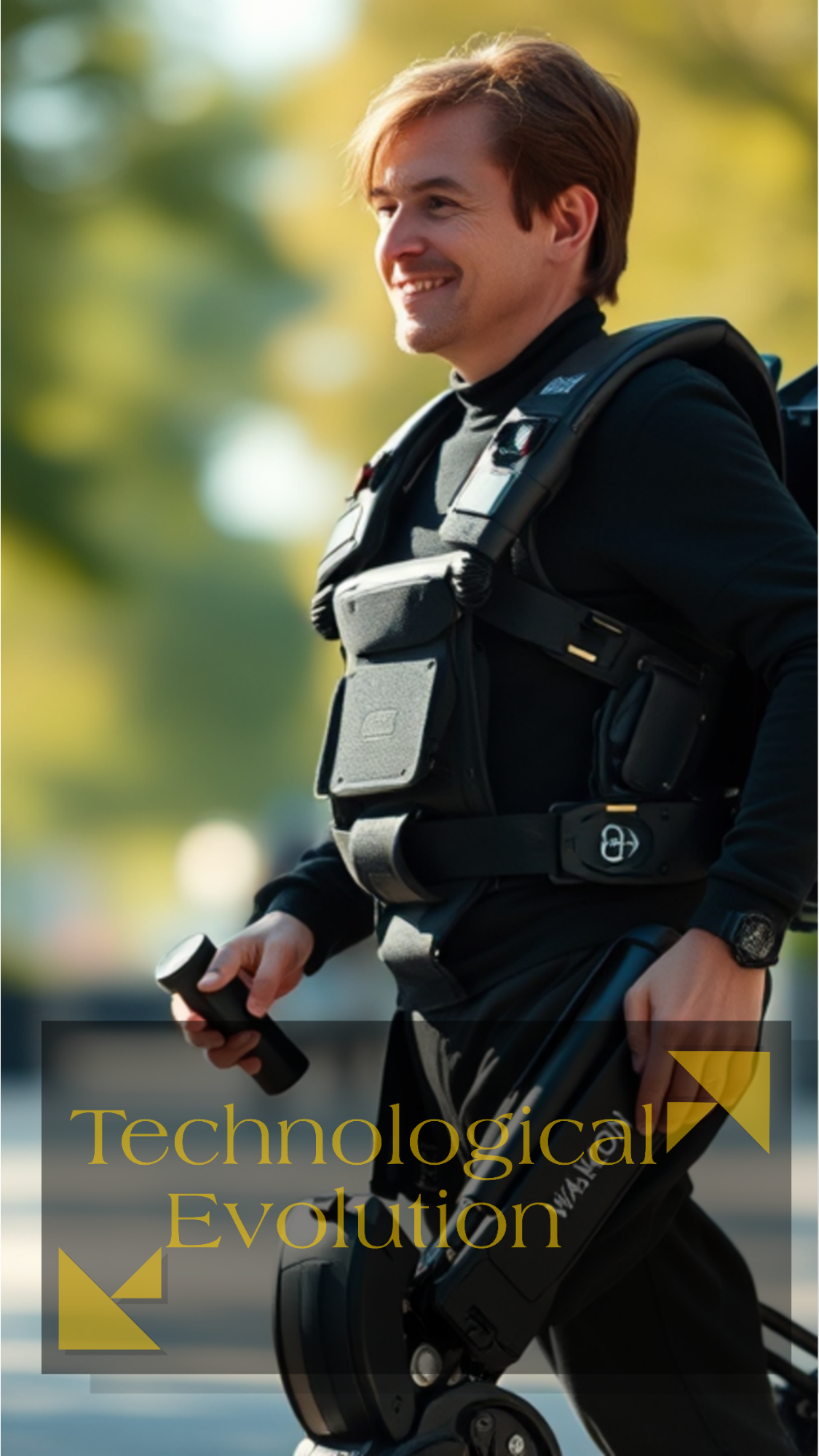





A Breakthrough in AI Technology
The field of Artificial Intelligence and robotics is advancing with an immerse speed creating a pressuring contests within the industry, however a new organization managed to stand out and become one oft the leading tech companies in the field of AI research, and therefore rightfully captured the world’s attention. This new development, a state-of-the-art AI android, is determined to achieve to be the most advanced humanoid robots ever to be created. This revolutionary android, promises to reshape not only the landscape of the field of AI but also our understanding of Artificial intelligence and human robot interaction.
A singular goal
The purpose behind the development of this humanoid android is “simply” to create an android that is capable to integrate seamlessly into human society while offering highly advanced, complex decision making abilities, measurable EQ, and unprecedented level of adaptability.
The Creation – Clone Alpha
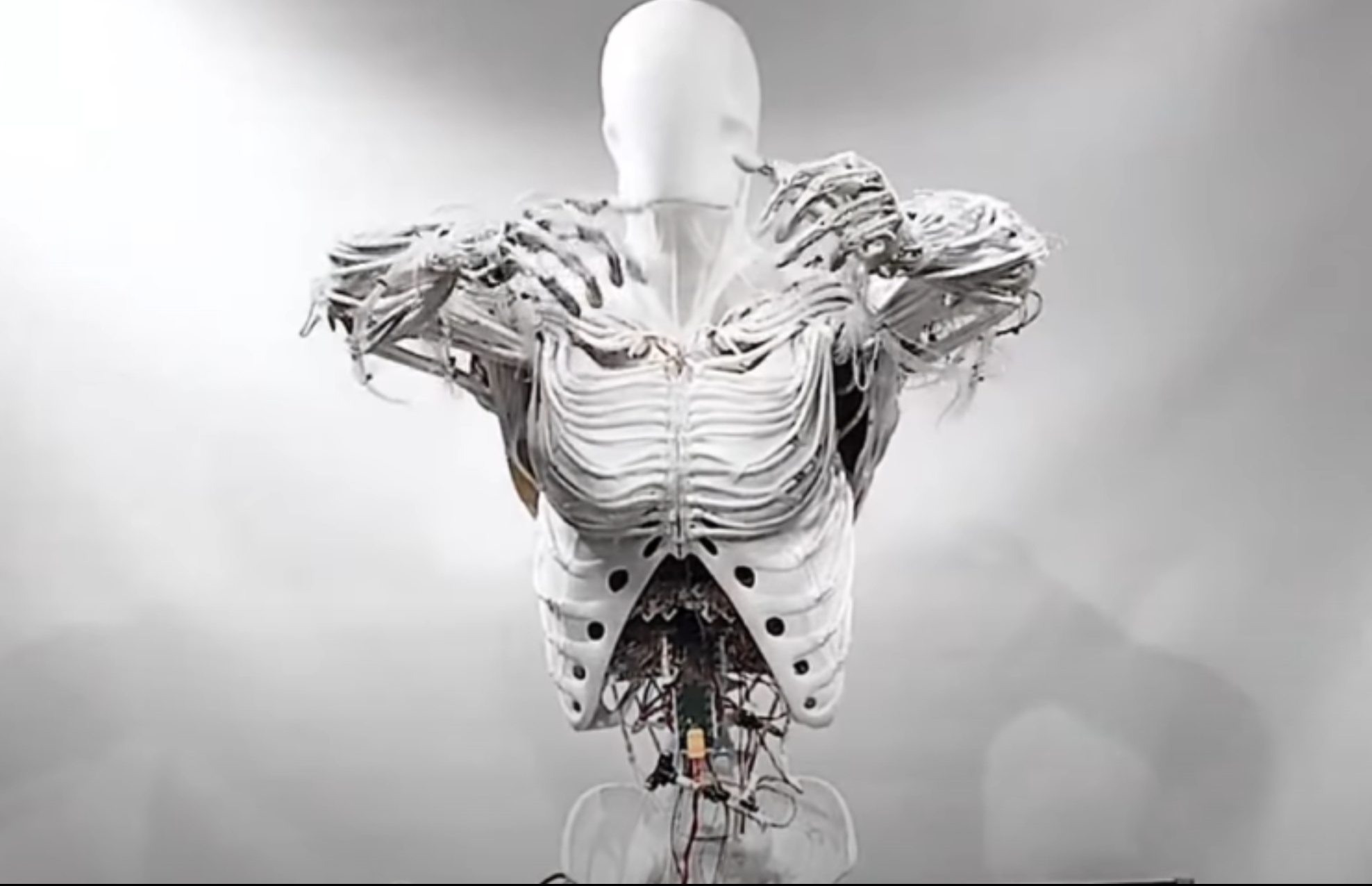
This humanoid android is not just a simple AI powered machine. Clone Alpha represents a significant leap in android technology, incorporating machine learning and human like sensory capabilities. Unlike any other androids that were designed to perform specific tasks , following predefined instructions , Clone Alpha was build to continuously learn, evolve and improve over time just by integrating to our environments and observing it.
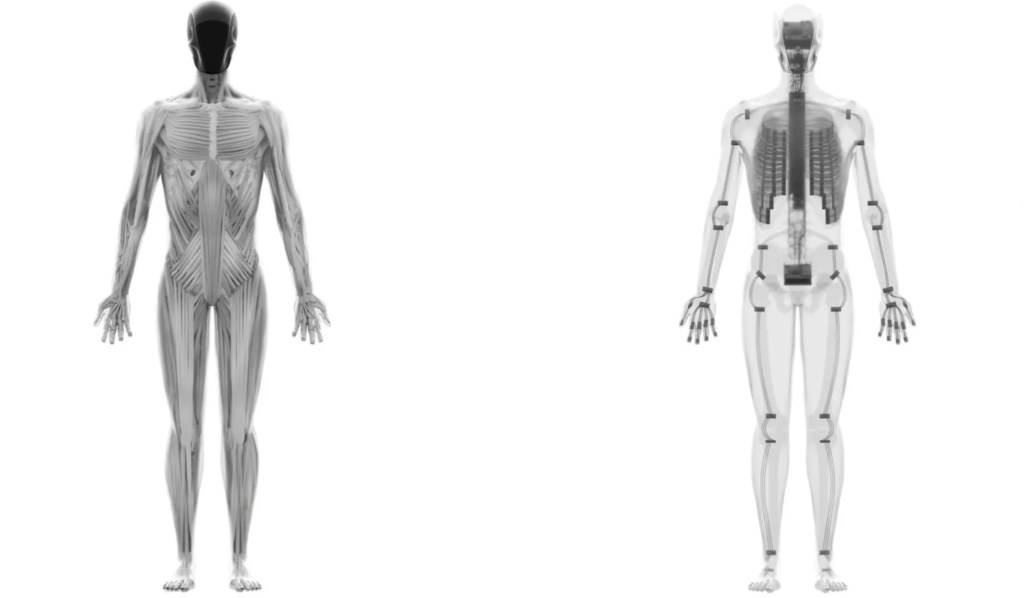
Human-like vascular and skeletal system
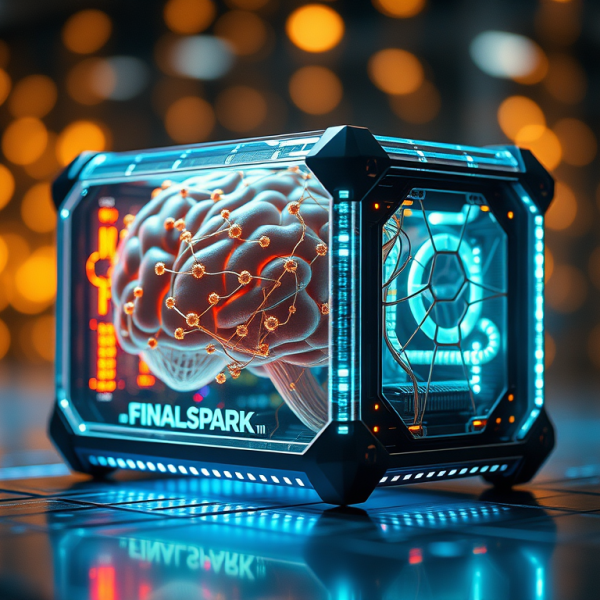
The futuristic design draws inspiration from the sophisticated human neuron network at it’s core,delineated to mimic human cognitive processes. This is also the network that allows the android to learn from experience, adapt to environment, and respond to stimuli in ways that appear almost indistinguishable from human behavior. The ability to learn and adapt in various ways sets Clone Alpha apart from earlier AI systems that relied on pre-programmed instructions and lacked the flexibility to deal with the complexities of the real world
The implications of this new AI creation goes far beyond it’s technical specifications, however raises some deeper philosophical and ethical questions about the nature of intelligence, consciousness and what it means to be human.
Source: Clone Robotics

THe Ultimate H.A © 2025 by Verum Dxit is licensed under CC BY-SA 4.0
Cognitive Learning
Clone Alpha’s most significant achievement lies within it’s cognitive abilities. The AI system is designed to process vast amounts of information rapidly and efficiently, and while analyzing the situations, make decision and understand complex patterns with it’s deep, advanced learning algorithms. Over time the android will be able to refine it’s responses based on experience, by mimicking a process similar to human learning and problem-solving.
Emotional Intelligence & Ethical Frameworks
The android’s design allows it to engage in natural, emotionally intelligent interactions by using Natural Language Processing (NGL) and speech recognition technology. Clone Alpha can hold conversations that seems almost indistinguishable from talking to a real person, the humanoid interprets the emotional tone of the environment and adjust it’s tone accordingly, making it highly effective in roles that require a certain level of EQ, such as therapy or other branches of the healthcare industry.
Another similarly intriguing feature of Clone Alpha is it’s embedded ethical framework. While the humanoid operates on algorithms, additional frameworks were designed to prioritize safety and well being, along with respect for human right. With it’s ability to assess the emotional climate of an environment, it could offer reassurance, or provide assistance in ways that promote trust, cooperation and empathy.
Adaptive Sensory Input
The design incorporates a variety of high-tech sensors, equipping Clone Alpha with vision, touch, and auditory systems, allowing it to perceive it’s environment with remarkable detail and accuracy. Further more, the build-in facial recognition software enables the android to identify people and by analyzing micro facial expressions, read their emotional states.
Autonomous Decision-Making
Unlike previous generations of robots, Clone Alpha is able to assess situations and make informed choices without the need of any sort of supervision, whether navigating a complex environment or managing a critical task, Clone Alpha is designed to make decisions, based on vast data analysis, and real time feedback.
The potential applications for Clone Alpha are vast and varied.
Clone Alpha have immerse potential in various industries, as a highly adaptable AI , it can serve a multitude of purposes.
By providing personalized patient care, the android could diagnose patients more proficiently, and assist both doctors and nurses, even providing real-time patient monitoring. Clone Alpha could also be integrated in the customer service industry. The humanoid’s human-like communication skills, adaptive decision-making ability and empathetic responses makes it an ideal candidate for customer service, or as a personal assistant . It could also be deployed in call centers or help desks, offering quick, efficient, empathetic and non-bios responses to customers.
The humanoid android could also act as a tutor, offering personalized education and feedback to meet each student needs. It’s individualized approach makes it particularly effective in special education, the ability to assess individual learning style and it’s high adaptability to different teaching methods, environments, and specific emotional needs could help students who struggle with traditional educational environments.
The Ethical and Societal Implications
While the potential benefits of such advanced AI androids are considerable, the development of this new humanoid still raises concern. The idea behind creating machines that could mimic human emotions, learn independently and make decisions raises controversy and fear among the society.
The major ethical questions surrounding Clone Alpha is if could develop something resembling consciousness, and whether the AI at this level of sophistication could possess, or learn to possess self-awareness or any sense of moral responsibility.
The Future of Clone Alpha and AI Androids
Clone Alpha represents a new era in the development of AI and robotics. As technology continues to evolve, we can expect even more sophisticated versions, each with new capabilities and more advanced ethical reasoning. The future holds incredible promise for AI androids, with applications ranging from improving healthcare outcomes to enhancing human-robot relationships. Ultimately, Clone Alpha is not just a technological marvel but also a reflection of our aspirations and anxieties about the future. The journey of Clone Alpha, and others like it, will be a defining feature of the 21st century, challenging our perceptions of intelligence, humanity, and the future of work and society.
Parting Words
As major corporations, and society itself continues to integrate AI androids such as Clone Alpha into various sectors, there is a growing concerns about the potential misuse and the consequences of over relying on such technology. The potential for enchantment is immerse, however the unchecked proliferation of highly advanced and intelligent autonomous robots could lead to a host of negative outcomes.
It is up to developers such as Clone Robotics to determine which way the technology will evolve, as they are at the forefront of innovation in robotics and artificial intelligence, constantly adapting to market needs and societal challenges. Their expertise and vision will shape not only the technical capabilities of robots but also their integration into daily life, influencing industries ranging from healthcare to manufacturing, and ultimately defining how we interact with technology in the coming years.
Credit; https://clonerobotics.com/android

Subscribe to continue reading
Subscribe to get access to the rest of this post and other subscriber-only content.