
Imagine a world where oxygen isn’t just the product of photosynthesis but can be produced almost unlimitedly. Well if you can imagine that, you are not far from the truth. Beneath the waves of our oceans, conditions are so extreme that even the most commonly known elements can take unexpected forms. Groundbreaking discovery shows that in the depths of the oceans, there is a new form of oxygen, called “dark oxygen “.
This previously unknown substance exists in a state that is distinct from the oxygen we breathe, offering insights into the mysteries of our planet and the potential for life in extreme environments.

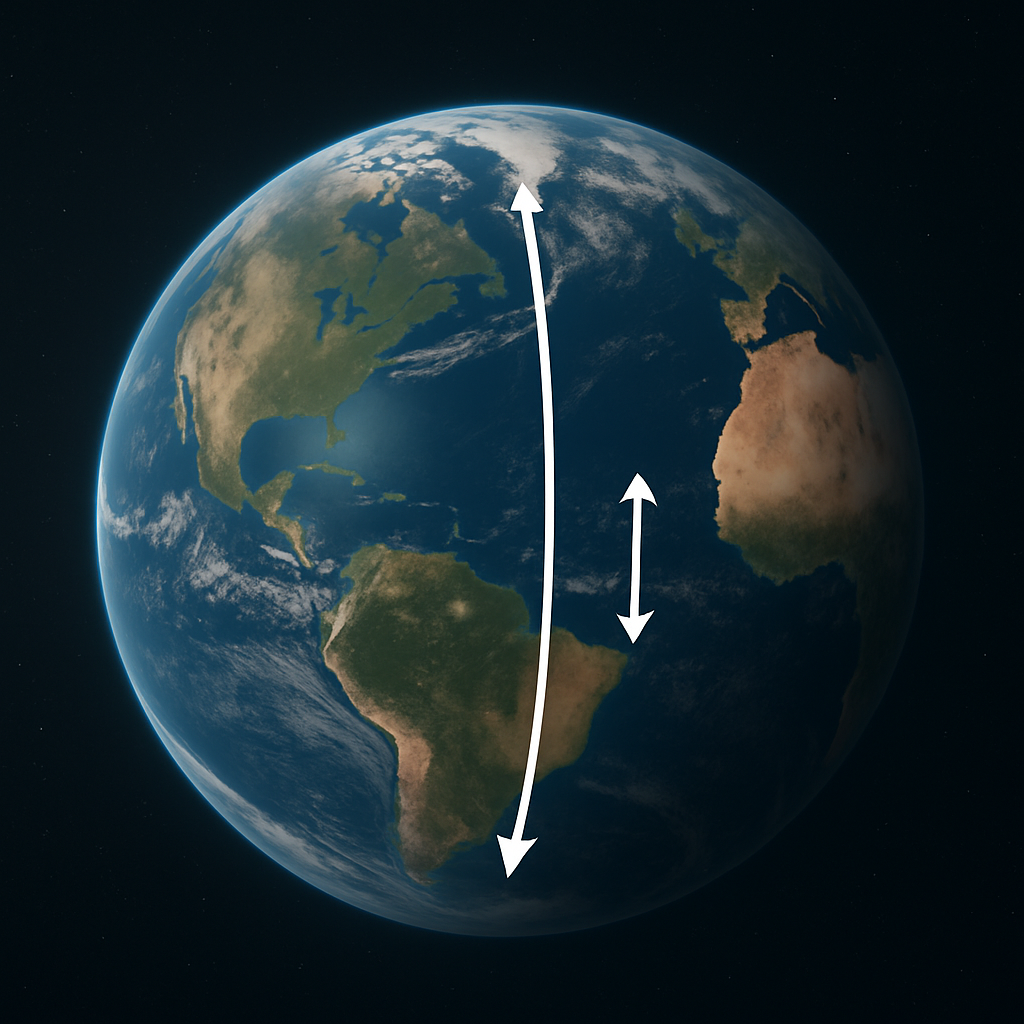
Scientist faced with an unexpected discovery while conducting research between Hawaii and Mexico on the chemical composition of the deep ocean. The research group noticed high levels of oxygen close to the ocean floor which seemed odd to the group of experts. Our previous understanding of oxygen suggest that it can only be produced through photosynthesis, and there is no source of sunlight in the seafloor, therefore the experts believed this could only be an error with the measuring device. The researchers decided to go under and conduct a more throughout investigation to find out the source of the high oxygen level.
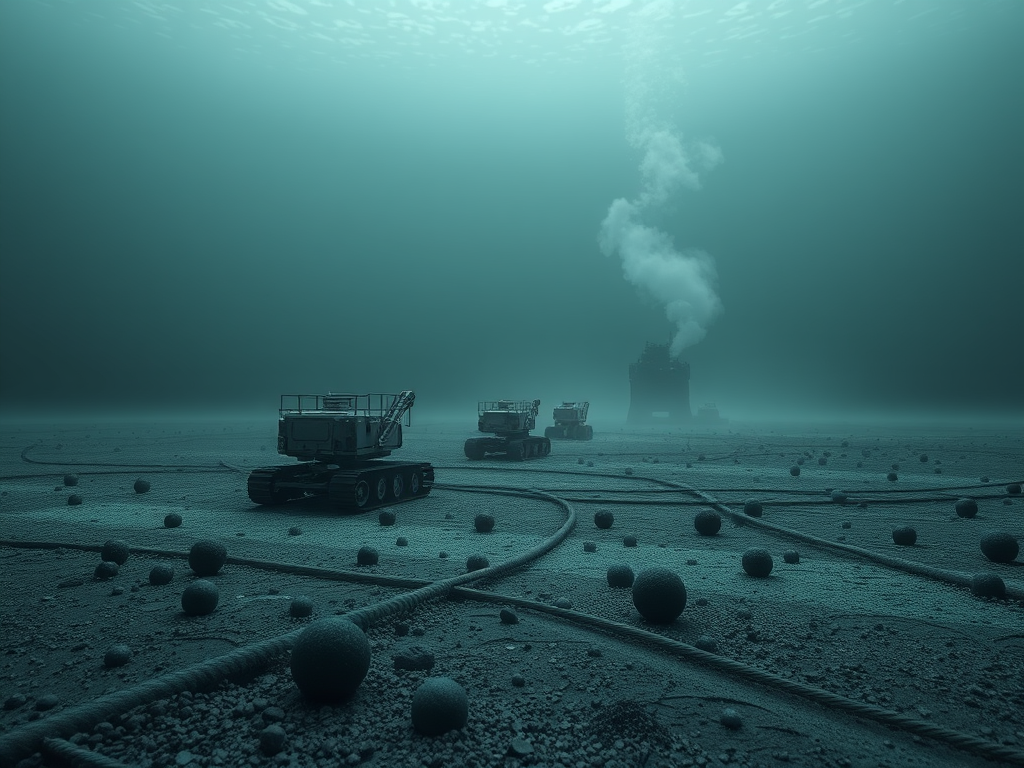
When approaching the locations, the group faced a rather fascinating phenomena. Dozens of metal nodules in various sizes covering the seabed, seemingly acting just like a battery, fizzing the water around it’s area just as it was evaporating it. Further investigations suggested that the founding wasn’t just regular oxygen but “dark oxygen” , or O², which was found existing in a state that is distinct from the oxygen we breathe. Is is a highly reactive form of oxygen that is different from the stable O² molecules we are familiar with and mostly found in a specific environment, where high pressure and low temperatures create unique conditions that allow for its existence.
The groundbreaking discovery of dark oxygen has significant implications for our understanding of the Earth’s oceans and the potential for life in extreme environments. It could also lead to new applications in fields such as medicine and materials science.Scientists are now working to learn more about the properties and behavior of dark oxygen. This research could help us better understand the fundamental processes that shape our planet and the potential for life beyond Earth.
The phenomena
Dark oxygen, or O², is generated under specific conditions of high pressure and low temperature, such as those found in deep-sea trenches.These conditions allow for the formation of a meta-stable state of oxygen that is different from the stable O² molecules we are familiar with.The exact process by which dark oxygen is formed is not fully understood, but it is believed to involve a complex series of chemical reactions with other compounds. Oxygen may react with other substances in the deep ocean, such as minerals or dissolved gases, to form O². The specific elements involved in generation of dark oxygen are oxygen itself, poly metallic nodules — natural mineral deposits that form on the ocean floor – and requires environmental conditions of high pressure and low temperature.
The nodules created when dissolved metals collect on fragments of shells or on other debris . this process can take millions of years. One of these nodules would not be enough to create the phenomena, however when there are multiple of these mineral deposits they act just like multiple batteries, and work in Unison. Potato sized nodules were brought to the surface to put this theory in a more controlled environment and test the theory. Experiments measured the voltages each nodules are able to release and the results were magnificent. The strength of electric current created by the minerals are almost equal to the voltage in a typical AA-sized battery.
This means, they say, that the nodules sitting on the seabed could generate electric currents large enough to split, or electrolyse, molecules of seawater.
And because these nodules contain metals like lithium, cobalt and copper – all of which are needed to make batteries – many mining companies are developing technology to collect them and bring them to the surface.
Deconstruction of sealife
Geiger is the Charles E. and Emma H. Morrison Professor of Chemistry at Northwestern’s Weinberg College of Arts and Sciences and member of the International Institute for Nanotechnology and the Paula M. Trienens Institute for Energy and Sustainability. Geiger, who co-authored the study, – July 22 -in Nature Geoscience. “Several large-scale mining companies now aim to extract these precious elements from the seafloor at depths of 10,000 to 20,000 feet below the surface. We need to rethink how to mine these materials, so that we do not deplete the oxygen source for deep-sea life.”
The US National Oceanic and Atmospheric Administration (NOAA) has warned that this seabed mining could “result in the destruction of life and the seabed habitat in the mined areas””.
Today there are more than 800 marine scientists from 44 countries have signed a petition highlighting the environmental risks and calling for a pause on mining activity . Scientist say that if these organisation starts mining these minerals that will result in the destruction of the organisms and animals that live on the seafloor
The Significance of Dark Oxygen
The discovery of dark oxygen is a testament to the ongoing exploration of our planet’s vast and diverse ecosystems. This newfound form of oxygen offers a glimpse into the hidden wonders of the deep sea and holds the potential for significant scientific advancements.
The discovery of dark oxygen has several implications:
Dark oxygen provides new insights into the complex chemical processes that occur in the deep ocean.
The existence of dark oxygen raises questions about the possibility of life forms that can utilize this unique form of oxygen.
Dark oxygen could have potential applications in fields such as medicine, materials science, and energy production.
Scientists are now working to learn more about the properties and behavior of dark oxygen. This research could help us better understand the fundamental processes that shape our planet and the potential for life beyond Earth. By studying dark oxygen, we may uncover new mysteries and unlock the secrets of our planet’s oceans. As we continue to explore the depths of our oceans, we may uncover even more surprising and fascinating discoveries.










































































Leave a Reply