Groundbreaking research emerged from Washington DC’s Dartmouth College , led by Guanming Liang and Professor Robert Caldwell. The scientists proposed a theory that completely reshapes our idea about the formation of the universe and aftereffects we have undergone since.
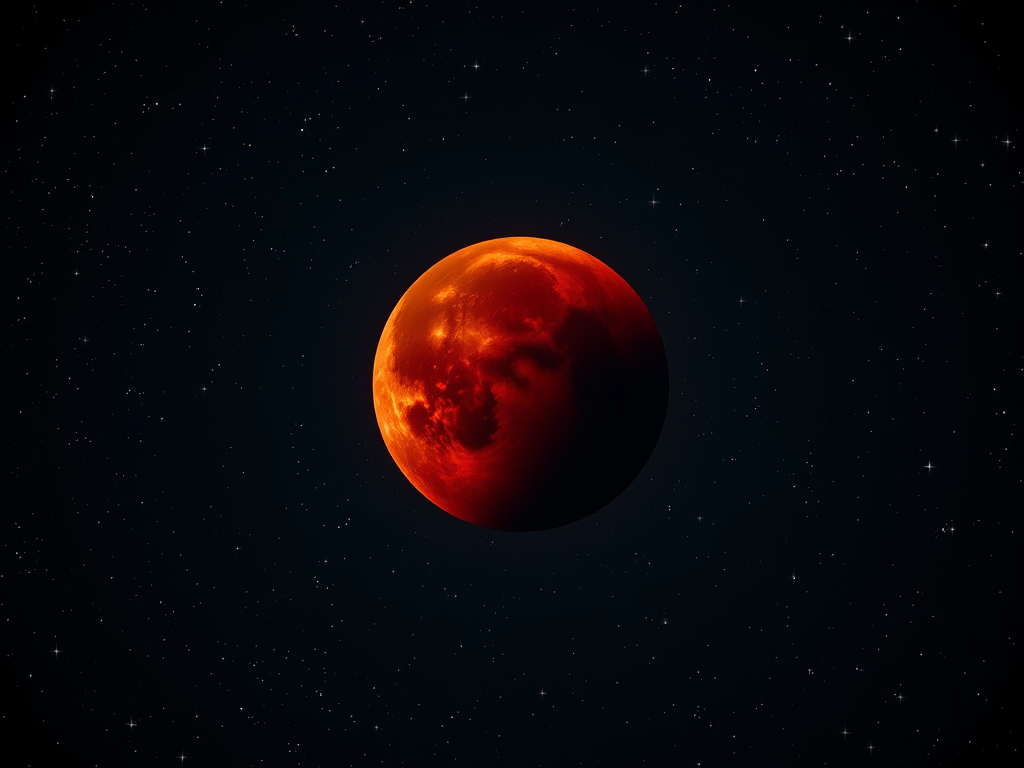
Dark matter is the universe’s most elusive and mysterious component. Published by Physical Review Letters on May 18th, 2025, the research departs from conventional models that suggest dark matter formed during the Big Bang as heavy particles. Instead, it introduces the idea of a phase transition and posits that dark matter may have emerged later during a cosmic phase transition, similar to water turning into ice.
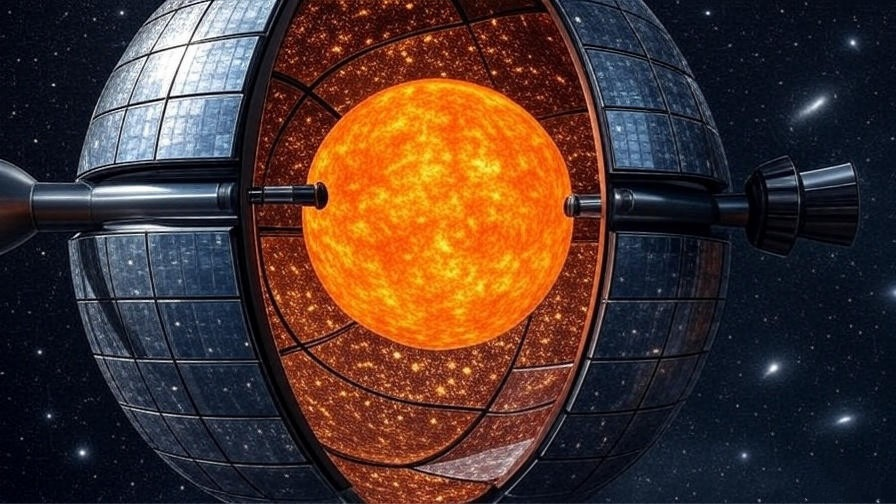
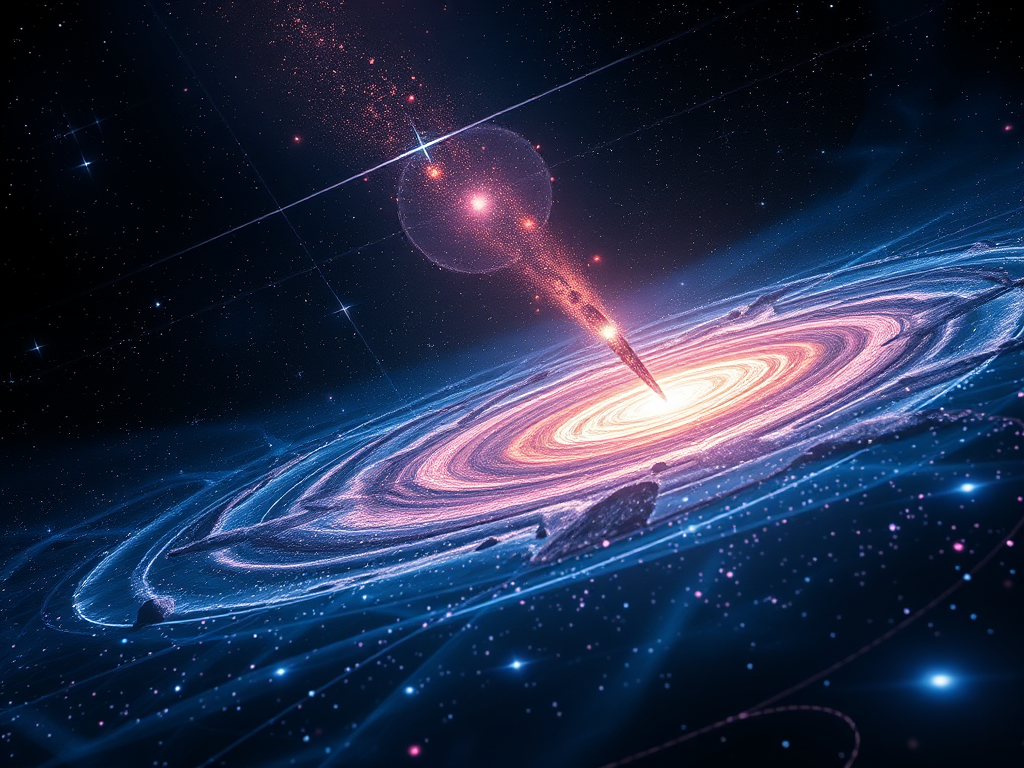
This novel idea offers a fresh perspective on how and when dark matter came to exist, potentially opening new avenues for detection and understanding. The proposition starts by establishing that, prior to the cooling of the universe, certain particles were massless and existed in a high-energy state, allowing them to move at the speed of light and thereby contribute to the universes incredibly high temperature and energy density.
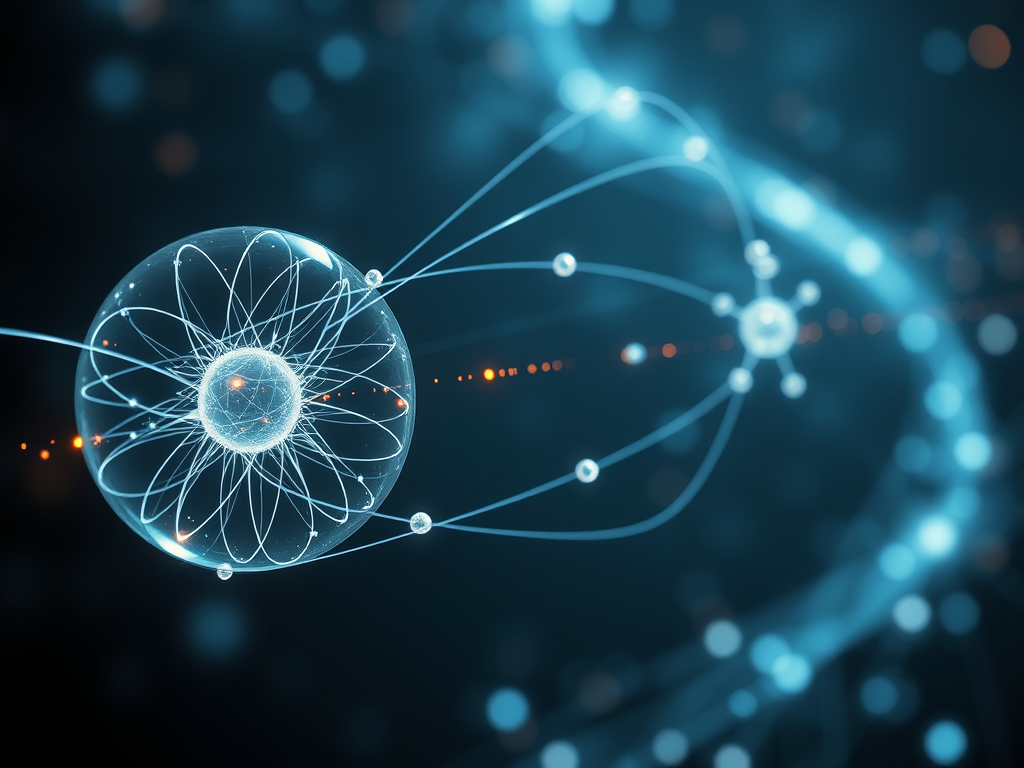
Only later, during this hypothetical cosmic phase transition, an unknown force or field triggered spontaneous symmetry breaking(SSB). This led the particles to pair up through spin interactions similar to those in superconductivity, and acquired mass leading to a loss of kinetic energy and the cooling of the universe, ultimately formation of cold dark matter.
This concept not only redefines the timing of dark matter’s origin but also suggests it could interact with itself or other forms of matter in ways we’ve yet to observe, offering potential explanations for gravitational anomalies across galaxies.
While the theory is still in it’s early stages and lacks direct experimental evidence, it has sparked enthusiasm in the scientific community for it’s originality and testable implications. If proven, it could reshape our understanding of the universe and guide future experiments, to search for subtle clues left by this proposed transition.
To stay informed on the latest breakthroughs in cosmology, dark matter research,
and quantum physics, subscribe to our newsletter — or visit t
he Physical Review Letters website for the latest peer-reviewed publications, including the full study by Liang and Caldwell on Cold Dark Matter Based on an Analogy with Superconductivity.

Subscribe to continue reading
Subscribe to get access to the rest of this post and other subscriber-only content.