

The quest to shift modern energy consumption towards sustainable sources has been long underway, with promising innovations paving the way. Now, a breakthrough in technology—validated by recent research published in Nature on April 13, 2022, by Alina LaPotin, titled “Thermophotovoltaic Efficiency of 40%“—has emerged that could revolutionize the way we view the field of sustainable energy, launching it into an entirely new frontier. Thermophotovoltaics (TPVs) were seen as a viable solution for this purpose and were long believed to have the potential to transform how we harness energy, not just on Earth, but even more effectively, in the unique conditions of space. The study, has demonstrated a significant leap forward the field of energy farming, mentioning a remarkable 40% efficiency in converting high-temperature infrared radiation into electricity. This breakthrough opens up the door to envisioning TPVs as the future key to generate continuous energy for starships during space explorations. Furthermore, it also suggests potential functionality in the extreme environments of distant planets, where it could help overcome environmental barriers and support the possibility of utilization or even habitation.
Thermophotovoltaics: A Cosmic Energy Farming Revolution
Thermophotovoltaics are a type of energy conversion technology that generates electricity from heat using the photovoltaic effect. When certain special materials are heated to temperatures between approximately 1900°C and 2400°C, they emit infra red radiation (light) due to their unique properties. This radiation is then absorbed by a photovoltaic cell designed to convert it into electrical energy. The technology is incredibly compact and offers significant scalability.
Unlike traditional solar panels that rely on visible sunlight, TPVs operate using thermal radiation, making them highly versatile in any environment where heat is abundant. Furthermore, this heat can be stored in specially designed containers and used to generate electricity on demand, enabling portable or off-grid energy solutions.
TPVs are not limited to Earth-bound applications like industrial waste heat recovery or grid storage; they represent a paradigm shift in how we envision energy harvesting in extreme environments.

Alina LaPotin‘s work highlights a significant breakthrough in TPV technology, showcasing two-junction thermophotovoltaics cells that achieved over 40% efficiency—a substantial improvement over the previously recorded maximum of 32%. This leap brings the technology closer to its theoretical efficiency limits of 50–60%, positioning TPVs as a viable solution for applications ranging from grid-scale energy storage to extraterrestrial power generation. The study also dives into the potential in thermal energy grid storage, where excess renewable energy (e.g., from solar or wind) is stored as heat and later converted back to electricity. However, the true excitement lies in extending this technology to the cosmos, where TPVs could serve as a new kind of “energy farming” device, harvesting infrared radiation from diverse heat sources in space and on extreme planets.
TPVs True Potential: Continuous Energy Harvesting in Space
Within the unique conditions of space, generating electricity through ordinary methods is either impossible or highly inefficient. However, beyond any planetary atmosphere, the Sun’s unfiltered spectrum delivers intense infrared radiation, which has proven suitable for harnessing using thermophotovoltaic (TPV) systems deployed in orbit.
Powering Starships
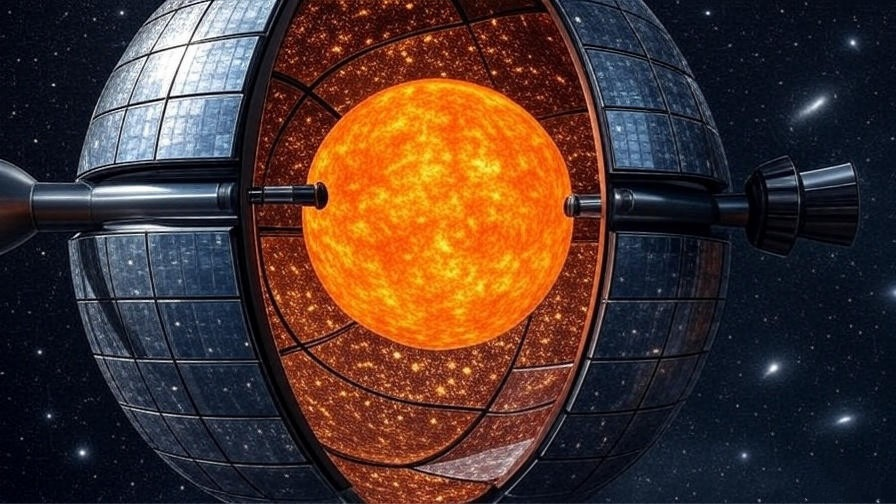
A starship equipped with lightweight mirrors or lenses could focus sunlight to heat an emitter to the high temperatures required for the system. The TPV cells would then convert this concentrated solar heat into electricity with over 40% efficiency, powering the ship’s systems.
What makes this systems particularly exciting for starships is their ability to pair with thermal storage systems, such as molten salts or advanced ceramics. This allows the ship to store heat and generate power even when far from a star, ensuring continuous energy supply during long interstellar journeys. For missions closer to stars like red dwarfs, which emit heavily in the infrared, TPVs could be tuned to capture this radiation directly, acting as a cosmic “solar panel” for heat.

Energy Farming on Extreme Planets
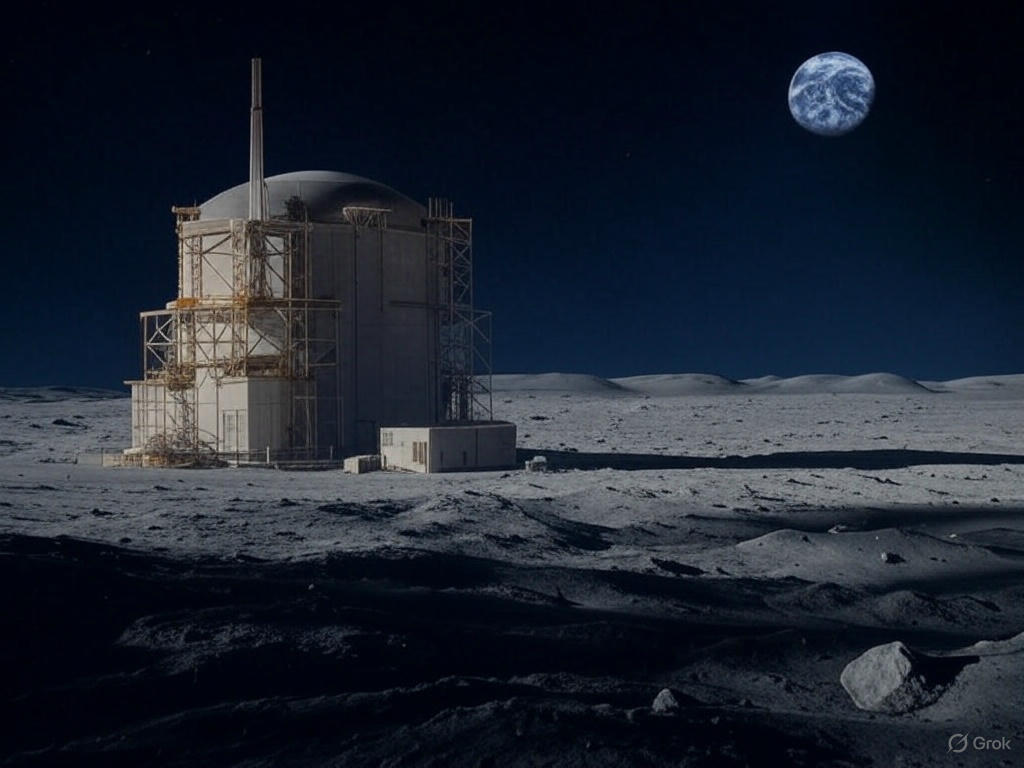
Scorching or radioactive exoplanets, such as the volcanic Venus, or those with intense geothermal activity and radioactive decay, could serve as natural energy sources for TPV systems turning otherwise hostile environments into energy rich hubs. Furthermore, the deployment of these systems across a planet rich in radioactive isotopes such as uranium or thorium could serve as an ideal emitter for the TPVs, allowing us to create a massive energy farm in space that could sustain long-lasting space missions.

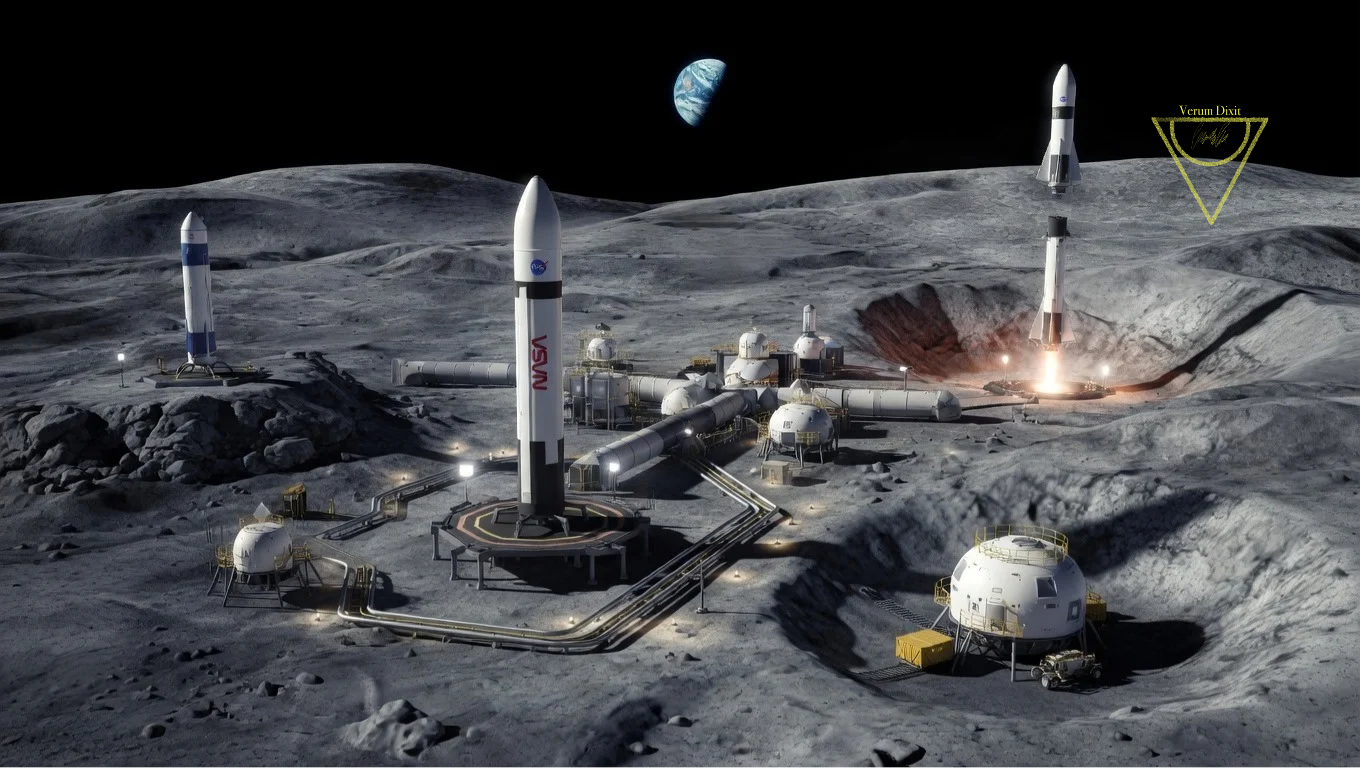
With further advancements in efficiency, durability, and scalability, TPVs could become the ultimate energy-farming technology, turning the universe’s heat into humanity’s power source for the future. Imagine quantum-enhanced TPVs that dynamically adjust their bandgap to match the infrared spectrum of any heat source, or self-assembling TPV swarms that form Dyson-like networks around stars or planets could make TPVs a cornerstone of cosmic energy farming, powering humanity’s expansion into the stars.
To stay informed about the latest breakthroughs in thermophotovoltaics, sustainable energy technology, and space-based power systems, subscribe to our newsletter — and follow the research shaping the future of energy beyond Earth








































































Leave a Reply