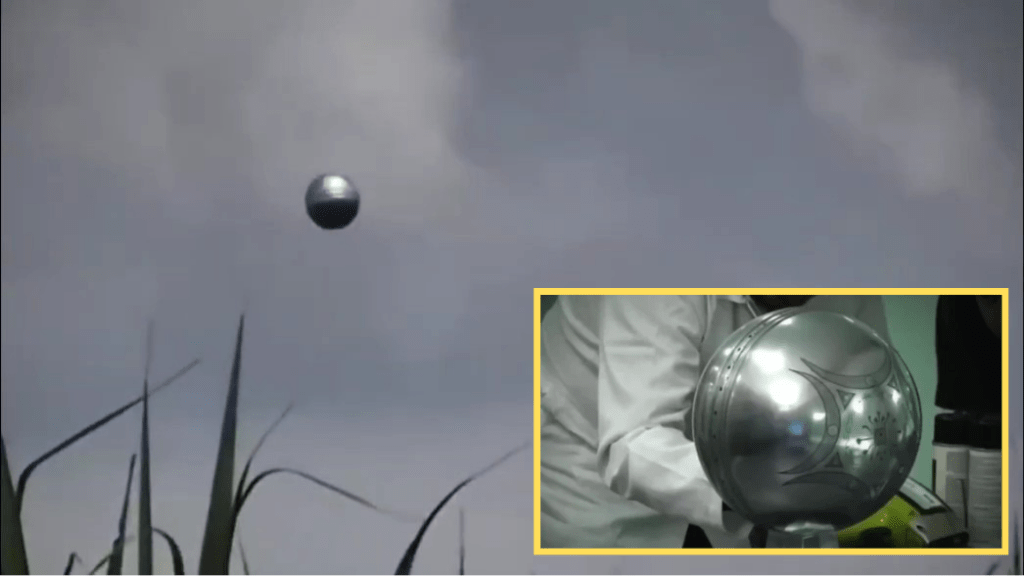
A groundbreaking discovery was made in 2024 by the Scottish Association for Marine Science (SAMS) while scientists were mapping the floor of the Clarion-Clipperton Zone (CCZ) in the central Pacific Ocean. The team detected unusually high levels of oxygen in areas where it should not have been possible, due to the depth and the absence of any form of organic matter. This phenomenon was later examined and concluded to be the result of the formation of a specific material interacting with the extreme conditions of the deep ocean. In a previous article, we covered the discovery of these polymetallic nodules and discussed the potential environmental consequences of large-scale extraction of these resources.
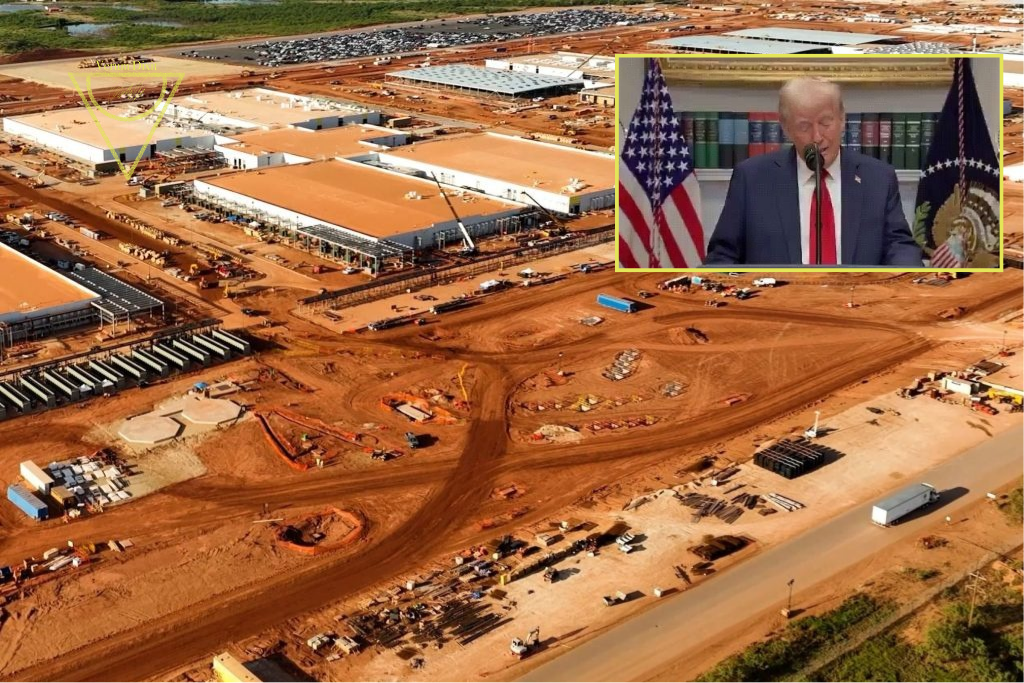
However, in April, 2025 a new U.S executive order was issued by Donald Trump, aiming to accelerate the permit approvals for the mining of these materials. The order was overseen by the National Oceanic and Atmospheric Administration ( NOAA) to access critical minerals for green energy technology. While this could open new avenues for renewable energy generation, large-scale extraction could lead to irreversible changes in the oceans ecosystem. Recent political decisions have already paved the way for the issuance of two Exploration Licenses and one Commercial Mining License, collectively covering an area of over 200,000 km². Current approval roadmaps further confirm ongoing negotiations with the International Seabed Authority (ISA) for an expanded Exploitation Contract application, specifically targeting the Clarion-Clipperton Zone (CCZ) between Hawaii and Mexico.
The exploitation of these materials is expected to have detrimental effects on marine organic life. Following the recent executive order, there has been a marked increase in TMS dispute claims, many of which highlight the environmental risks associated with the industrial-scale production of Dark Oxygen.
Industrial Threats to Uncatalogued Marine Biodiversity
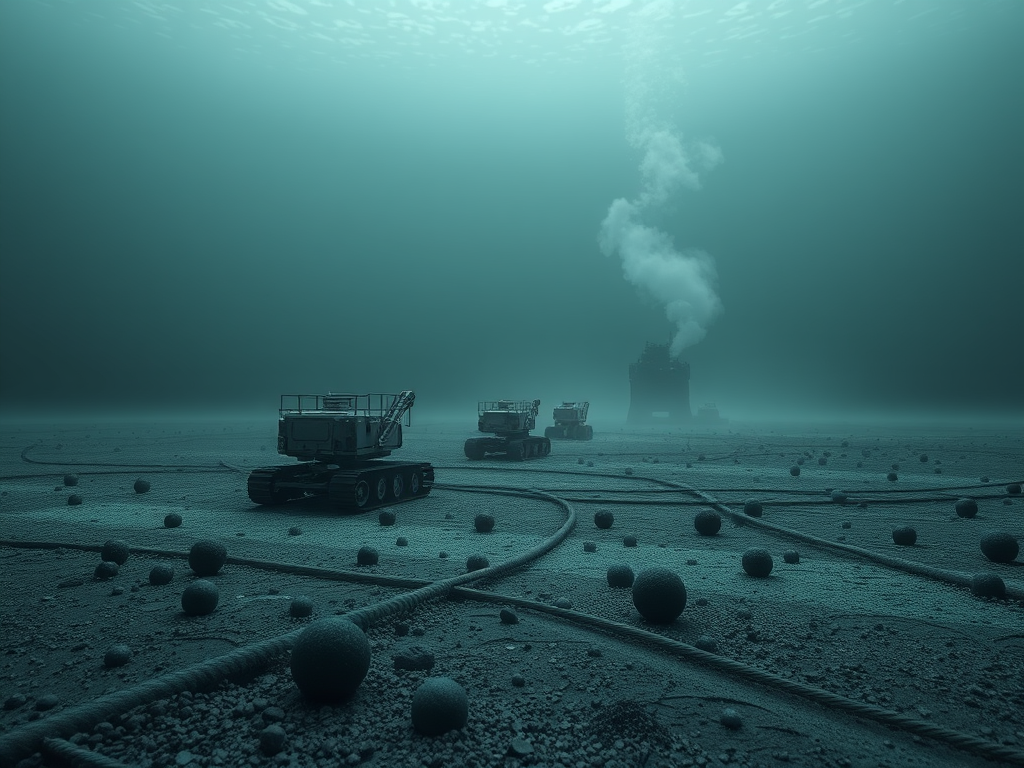
Despite the already significant impact, destruction of the Deep-Sea’s ecosystem is not the only alarming consequence of Dark Oxygen farming. The extraction of polymetalic nodules requires a multitude of large-scale mining machines, which generate sediment plumes that can smother nearby habitats, disrupt filter feeding organism, and spread toxins throughout the surrounding waters, Furthermore in the context of Dark Oxygen, plumes might also alter local chemical balances, further destabilizing marine zones as well as disrupting the biochemical cycles therefore releasing stored carbon or methane, potentially contributing to climate feedback loops.
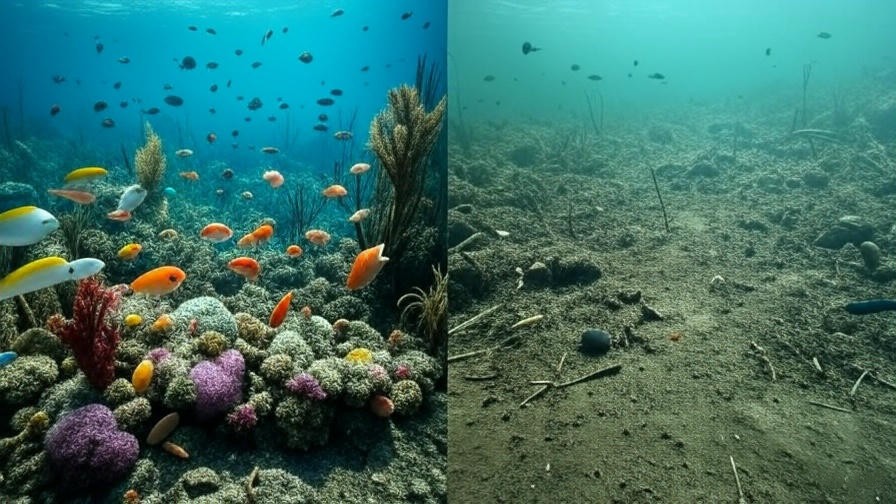
The constant operation of large ROV’s also introduces low-frequency noise and artificial lighting into one of the planet’s darkest regions, and the consequences of this disruption are yet to be known. Microbial life and certain hydrothermal vents and manganese crusts may interact with the toxic intermediates generate by the high-scale farming, ultimately resulting in irreversible loss of undiscovered spices and unknown organisms that are unique to these deep-sea pools that remained unexplored such as the CCZ.
Whether the exploitation license will be granted or not remains to be seen. What is clear, however, is that the increase in large-scale industrial mining poses significant risks to marine ecosystems. We have never before witnessed such a large-scale disturbance of carbon-based life in the deep sea; therefore, the exact consequences are both unpredictable and unprecedented.
For timely insights into corporate and industrial activities shaping the Earth’s ecological future, subscribe to our newsletter

Subscribe to continue reading
Subscribe to get access to the rest of this post and other subscriber-only content.