
China has long been at the centre of global controversy due to its distinct legal and regulatory landscape, but this time, it may have pushed things a little too far, when a study currently being conducted in a Chinese laboratory emerged.
The Chinese Academy of Sciences, Suzhou Institute of Biomedical Engineering and Technology, has initiated a new experiment with the development of an AI-controlled artificial long-term embryo culture device. The project’s long term goal is to nurture an embryo from early implementation stage to a somewhat fully developed mammal. Current tests are being conducted on pre-implantation to early post-implantation stages and can only support the embryos for up to 11 days. During this period, the artificial womb system allows these organisms to undergo essential biological developments, however no mammal has yet been brought to full term using this technology.
The research became possible due to changes in China’s ethical and legal regulatory landscape. Although such experiments were previously banned—particularly those involving embryos in a laboratory environment—the formation of the National Science and Technology Ethics Committee (NSTEC) in 2019 marked a turning point. Since then, China has implemented a Biosecurity Law and amended its Criminal Law officially prohibiting practices such as embryo modification and cloning in 2021.
Consequently, this line of research first emerged in 2021 in the Journal of Biomedical Engineering. By 2023, the team had developed a refined system capable of maintaining stable temperatures and efficient gas exchange, which extended the embryos’ viability. With the rise of commercialized large language models, further improvements were made through the integration of AI algorithms and hardware systems, ultimately achieving the capacity to sustain embryos for up to 11 days.
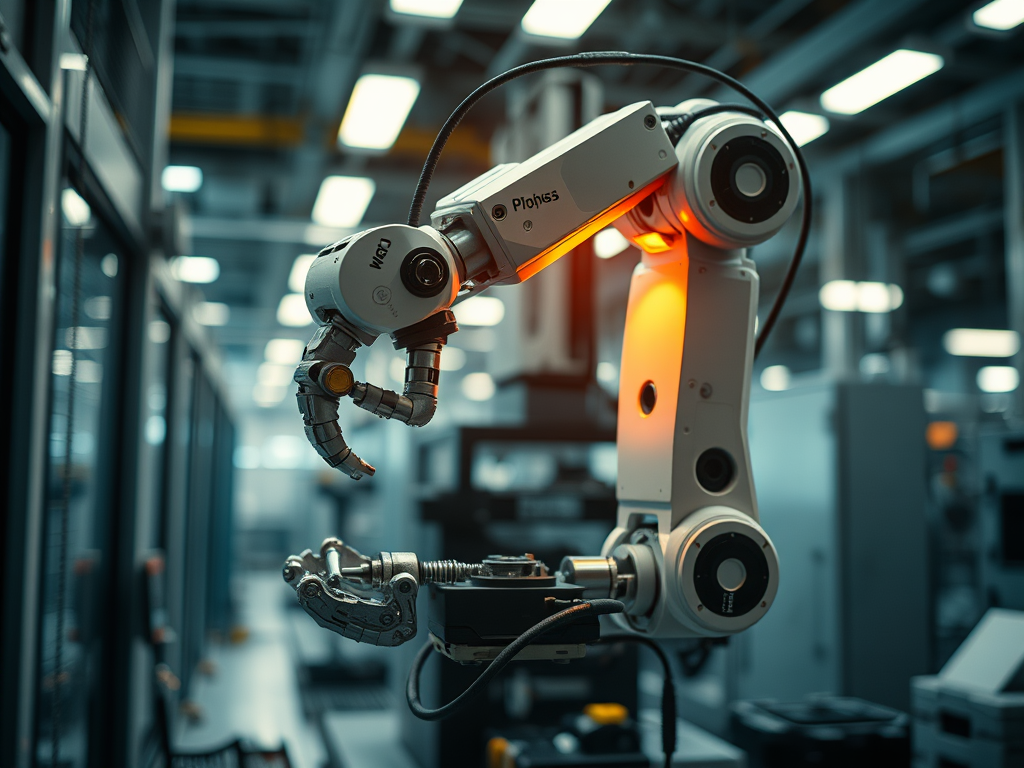
While the group intends to conduct experiments on multiple species of mammals, limited resources and technical challenges have so far restricted their work to mouse embryos. These embryos are kept alive in fluid-filled transparent chambers within the artificial womb system. A unique feature of the womb is the so-called “AI Nanny” system, which provides real-time monitoring and automatically tracks the embryo’s health, detecting any abnormalities. This system was integrated in early 2025 after a long internal development phase.
Powered by AI-driven image recognition, it can measure and regulate the flow of nutrients, gas levels, pH, and temperature — enabling the system to automatically adjust its settings and report findings to scientists. Since the integration of this Nanny system, embryos have shown clear signs of proper tissue differentiation and a significant increase in viability, compared to previous manual observation methods.
The research group asserts that their study is strictly confined to animal models, and current regulations prohibit any experimentation on human embryos, the very act of developing and showcasing this technology inevitably opens the door to potential future misuse. By advancing artificial gestation systems, we are not only pushing the boundaries of biomedical innovation but also laying the groundwork for ethical dilemmas that may emerge as the technology matures. One way or another, it will be compelling — and perhaps unsettling — to witness the trajectory this research takes.
To stay updated on the latest breakthroughs in artificial womb technology, AI-driven biomedical engineering, and the evolving bioethics and regulatory landscape, subscribe to our newsletter — or visit the official pages of leading institutions like the Chinese Academy of Sciences for research publications, project updates, and future developments.

Subscribe to continue reading
Subscribe to get access to the rest of this post and other subscriber-only content.