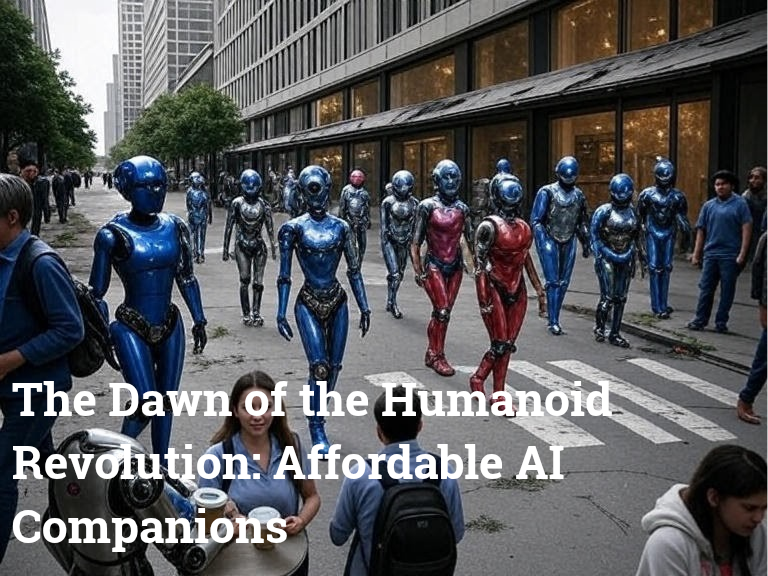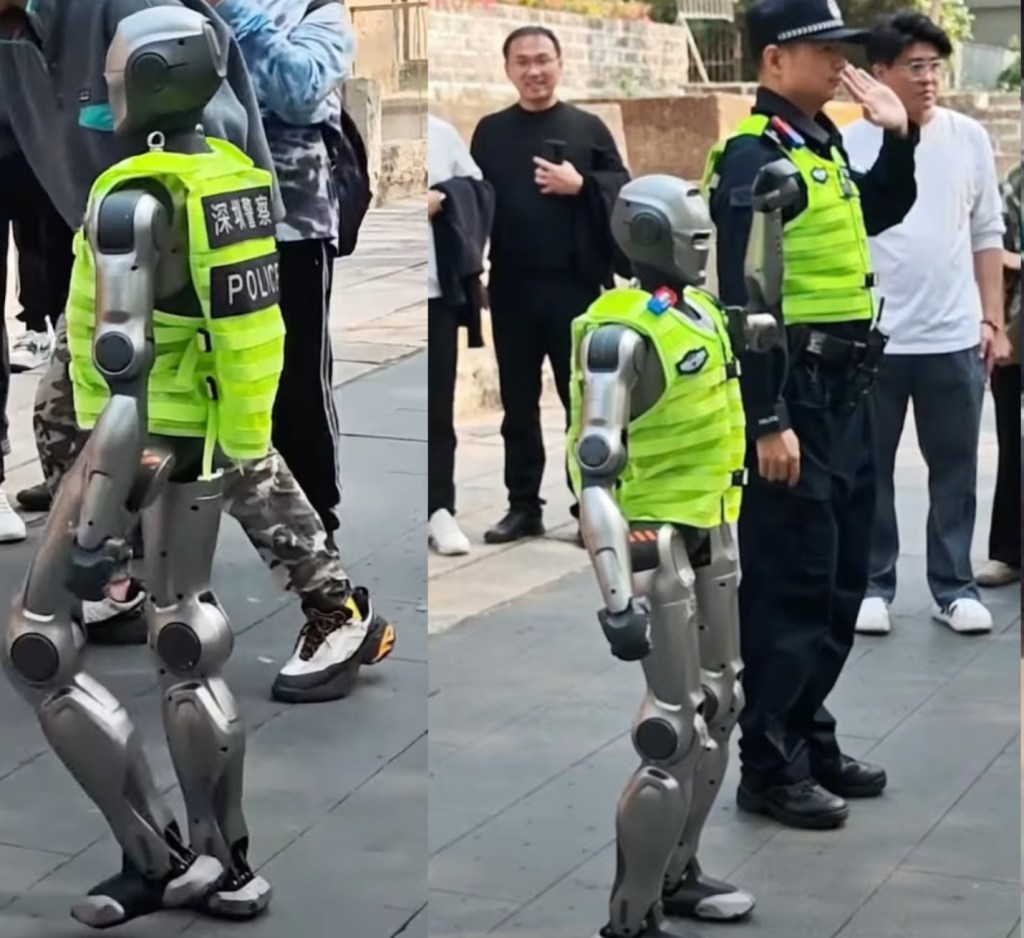
While the concept of living side by side with AI-powered humanoid androids still sounds like a far-fetched dystopian vision born for Holywood scenes, the reality is that this vision is already actively being built, and China’s newly opened Robot Mall might just serve as an example!
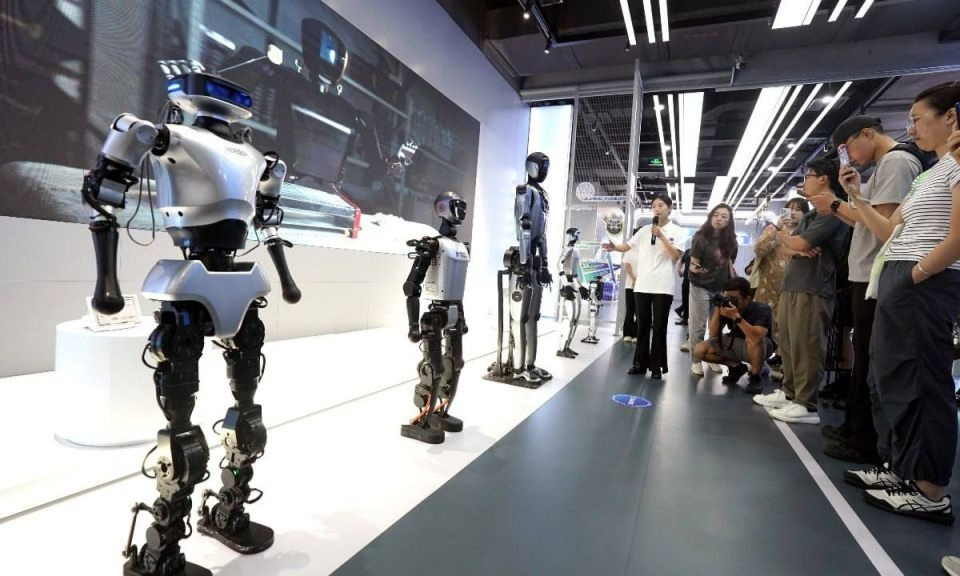
On August 8th, Beijing E-Town Centre was filled with thousands of people who came to witness the opening of the world’s first 4S store (sales, service, spare parts, and survey) dedicated to the manufacturing and selling of humanoid androids. Spanning 4,000 Square meters across four levels the store showcases hundreds of different android types from approximately 50 brands. The mall serves as a hub for the surprisingly large number of newly emerged humanoid robot manufacturers most of which are Chinese though some are overseas, offering medical, industrial, bionic, and service robots as well as some that are simply described as “companionships“.
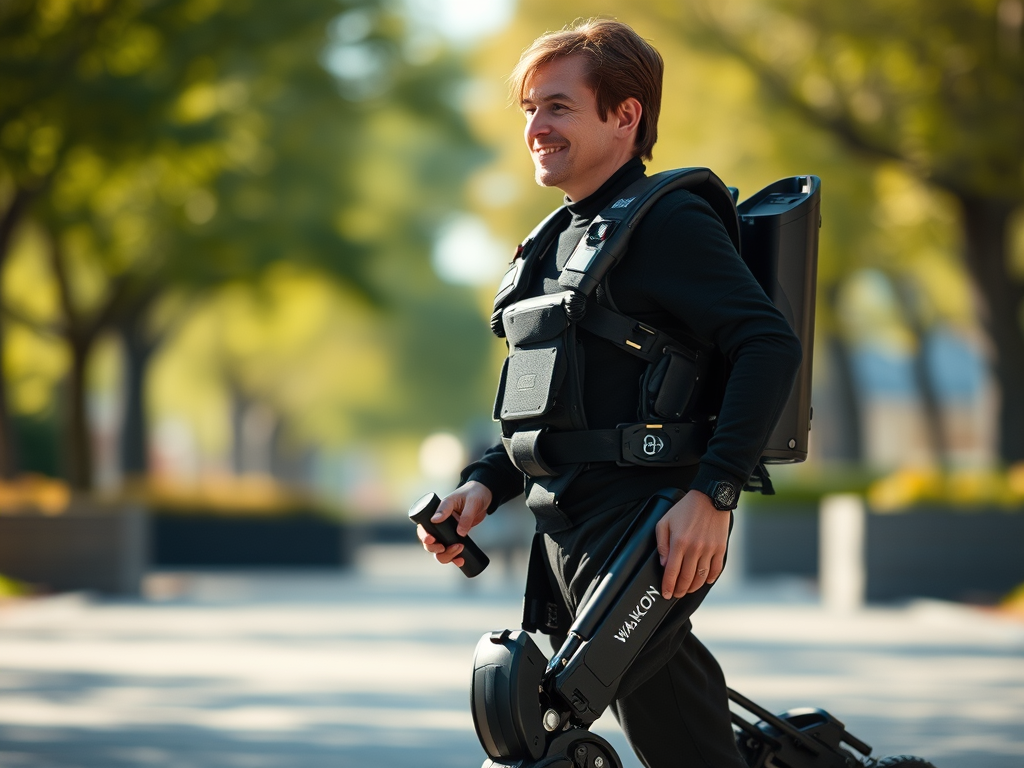
Among the standout brands and models, on the front page of advertisements and marketing for Robot Mall are UBTECH’s Walker S, a versile humanoid designed for the warehouse floor, capable of sorting, assembling, and working in collaboration. Unitree Robotics’ G1 is also a predominant display model, a bipedal, so called “general-purpose” humanoid, capable of a wide variety of tasks, with it’s suggested uses including reseach, entertainment, and even companionship thanks to its advanced AI model that enabled sophisticated, high-level communication. For companionship, the store highlights its customizable, life-size AI powered animatronic figures, such as the Albert Einstein humanoid, priced around $97,000, serving also educational and entertainment purposes through interactive conversations and historical reenactments. These models join a broad array of both overseas and domestic offerings, including specialised service robots for businesses capable of tasks like coffee brewing or meal preparation, as well as medical robots for pharmacy dispensing to minimise human error in healthcare, and industrial models for hazardous or repetitive jobs, all emphasising China’s push toward practical, everyday robot integration.


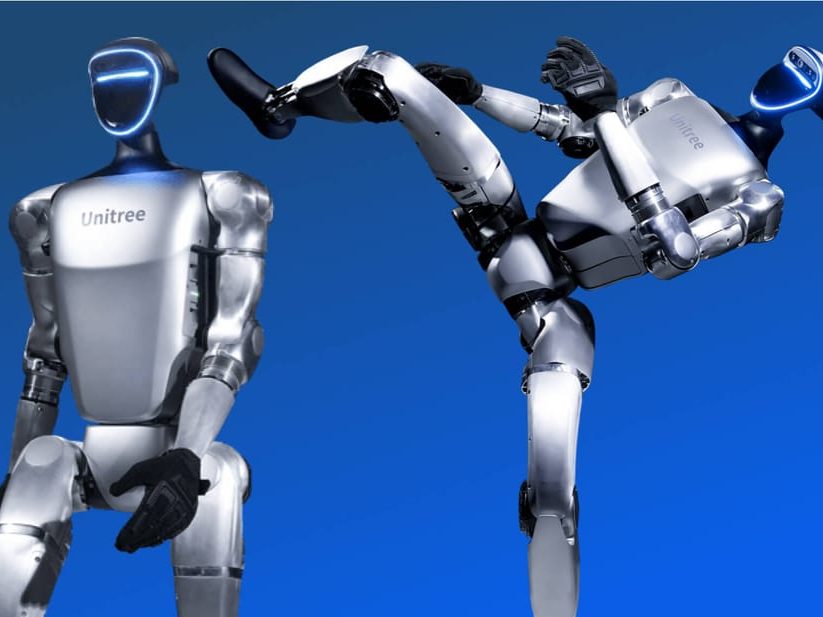
G1 © 2025 by Unitree Robotics is licensed under CC BY 4.0
 Walker S © 2025 by UBTECH is licensed under CC BY 4.0
Along the incredible variety of humanoid models available for purchase, the store also offers options to rent and lease high-cost units to make them more accessible for businesses and qualifying customers. While specific leasing terms such as duration, eligibility requirements, and monthly commitments are not detailed in publicly available reports, the leasing services are highlighted alongside installment payments plans and subsidies of up to 250,00 yuan (approximatelly 34,700 USD). Prices for the robots generally range from around 278 USD for basic models to several million US dollars for advanced humanoids, yet total sales still amounted to approximatelly 2 million USD in the store’s first week of operation getting us one step closer to creating a world where humans and humanoid androids live side by side….whatever that means for us.
While most might think this all sounds impressive, but being so far away in China makes its effects on overseas countries largely unnoticed or even seemingly impossible to influence, they could not be further from the truth. Beijing actually has a well-established ecosystem of proxy buying services, with an entire industry dedicated specifically to this concept. The daigou industry. These businesses offer services that allow international customers to purchase goods from Chinese online platforms, markets, or physical stores such as the Robot Mall.
The daigou industry
Often called “daigou” (meaning “buying on behalf of” in Chinese) proxy buying is a mature industry in China, -particularly in major cities like Beijing – with an estimated global value of $15-20 billion. While traditionally the industry focused on luxury goods or e-commerce, the modell has expanded to include specialised retails like the Robot Mall, driven by high demand for unique Chinese tech. The highly developed proxy industry offers an extensive network of freelance buyers, advertising across multiple platforms, and businesses specialised in these services. Using them is also quite straighforward, you contact the proxy via their website, specify the product, modell, or features and your buget.The proxy then visits the store, purchases the item and arranges a shipment to the country you chose. The high availability of such services makes them also incredibly accessible, most providers charging as little as a 5-15% commission on purchased products plus shipping cost and mandatory VAT, with most accepting payments from paypal, bank transfer and even Crypto!
To keep pace with the rapidly evolving world of humanoid Robotics and AI-powered androids, subscribe to our Newsletter or explore the latest developments via IEEE Robotics or MIT Technology Review robotics section.
Below you find a list of established and trustworthy proxy buyers who can help you purchase your own humanoid android and have it shipped within just a few weeks for record prices!

Subscribe to continue reading
Subscribe to get access to the rest of this post and other subscriber-only content.