President Donald Trump has recently announced an AI project that he believes could reinstate the USA as a global leader in technology and AI research. Stargate, described by the President as the “largest AI infrastructure project by far in history,” is an initiative primarily led by OpenAI and was initially conceptualized as a massive data center and supercomputer collaboration with Microsoft focusing on developing an extensive AI computing facility primarily in the US.
The project began in early 2024 through discussions between Microsoft and OpenAI regarding a U.S.-based data center to house an AI supercomputer, which is expected to take about six years to construct and utilize several gigawatts of power. By the following January, Stargate LLC was formally introduced, committing to invest $500 billion over four years, with $100 billion immediately deployed by OpenAI. Softback Group, which owns 40% of the infrastructure, will oversee the project’s finances, and collaborations with hardware suppliers like AMD and Broadcom will handle the GPUs and custom hardware. Microsoft, while a partner, clarified that it retains a “right of refusal” on OpenAI’s cloud usage via Azure, even as Stargate proceeds.
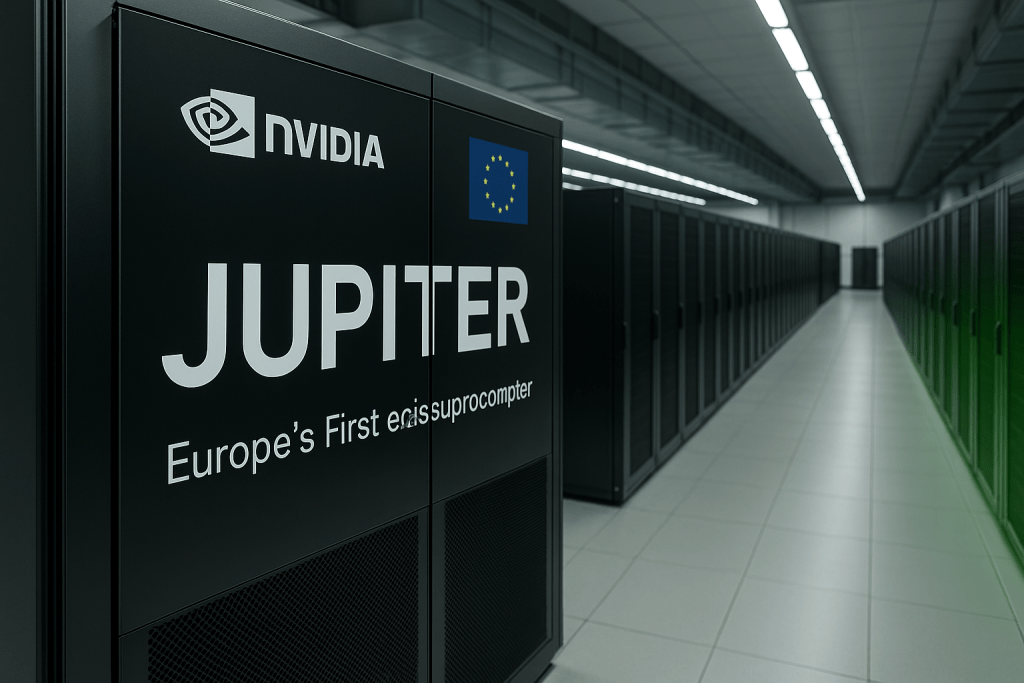
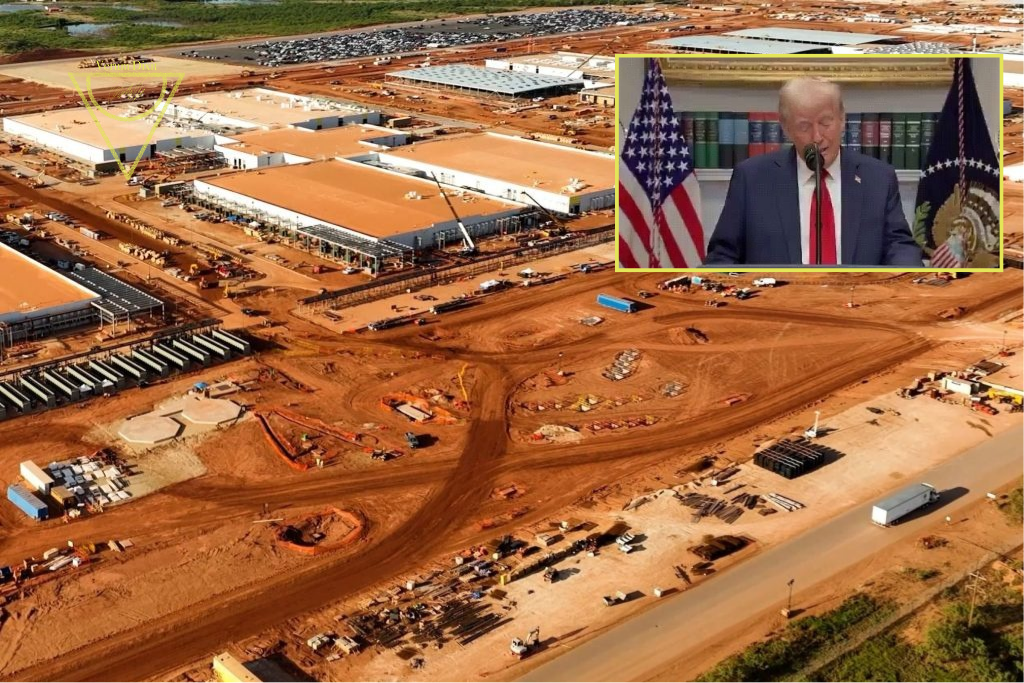
Instead of conventional AI centers, Stargate will operate as a network of facilities to establish a multi-site AI data center with approximately 12 sites globally, aiming to become the largest facility of its kind. While President Donald Trump has declared that Stargate will position USA as a global leader in AI research, it is important to note that while half of these sites will be located in the USA, current plans indicate that at least five of the remaining sites will be part of an international collaboration with Japan, Norway, the United Kingdom, Argentina, and the UAE. In January 2025, Trump issued a press release highlighting the significance and scale of an ambitious new project, which marked the beginning of construction in Abiline, Texas—the initial site of the collective infrastructure. By September, the flagship U.S. data center was inaugurated, leased, and operated in partnership with Oracle, utilizing NVIDIA chips within the Oracle Cloud infrastructure. As the Stargate Project finally comes to fruition, OpenAI announced in the same month the beginning of construction on five additional sites across the USA, aiming for operational readiness next year; Shackelford County, Texas; Doña Ana County, New Mexico; a Midwest site in Wisconsin (with Vantage); Lordstown, Ohio, and Milam County, Texas. These all will add an additional 5.5 GW of capacity and aims to create another 25,000 jobs, and still targets nearly an additional 7 GW and $400 billion in investment over three years. This ambitions isn’t just driving innovation but will create hundreds of thousands of jobs and drive economic growth across the U.S. But there is a downside;
Many companies that are major suppliers of gaming PCs and consoles, such as Crucial, one of the largest global RAM suppliers, have decided to stop selling directly to consumers all together and instead sell their entire stock to Stargate and similar AI data centers. Other significant suppliers, including AMD and NVIDIA, are anticipated to face prolonged shortages in their inventories in the near future. This shift is triggering an unprecedented surge in the prices of gaming PC components and their availability, making gaming a luxury item once again. Although the impending market shifts remain largely unpredictable, DRAM prices have already rose more than 250% since the construction of the Stargate began and are still climbing, while other large-scale AI initiatives in the pipeline could drive this increase even further.
As of late 2025, the project remains firmly underway, though it has encountered reported funding delays stemming from U.S. trade policies and fluctuating AI hardware valuations. Despite these hurdles, it has undeniably begun reshaping the global AI hardware market, and it will be interesting to observe whether this ambitious $500 billion initiative ultimately gets abandoned half-finished amid ongoing geopolitical and economic pressures or evolves into a cornerstone for global AI research. If you’re interested in following Stargate or similar AI initiatives, subscribe to our newsletter, and for official reports, visit OpenAI’s press desk or Microsoft’s communications portal.

Subscribe to continue reading
Subscribe to get access to the rest of this post and other subscriber-only content.