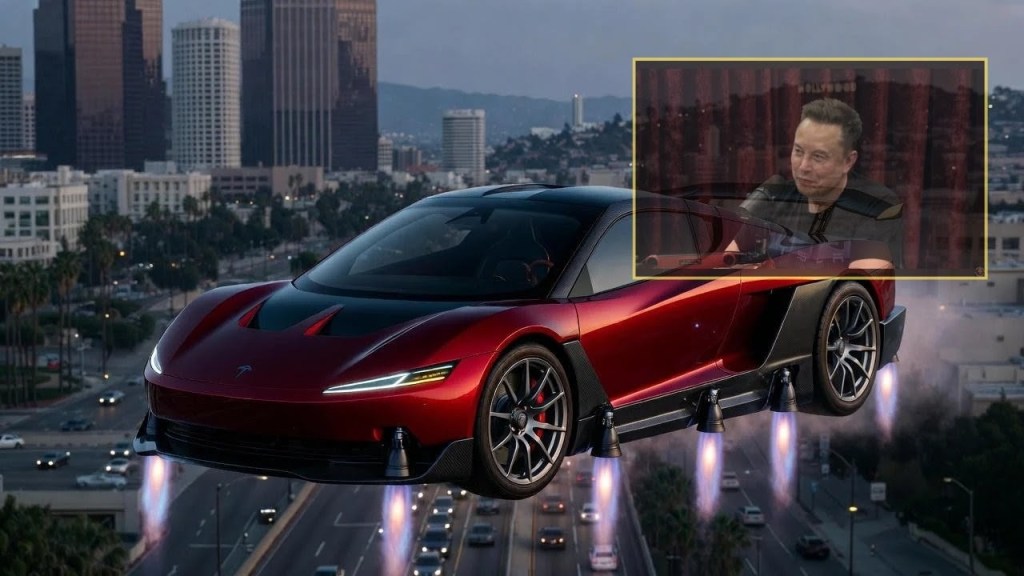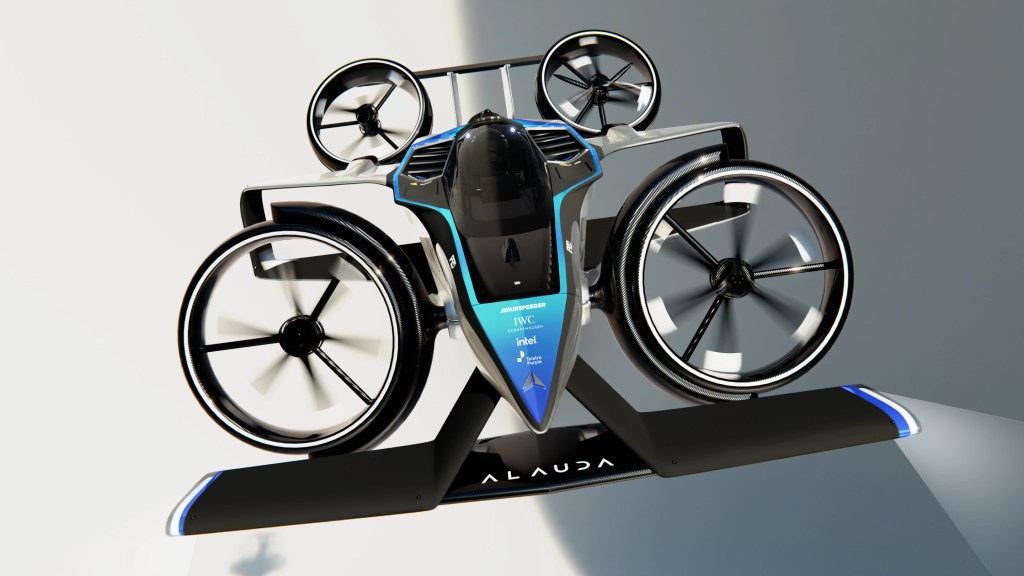

eVTOL aircraft are electrically powered vehicles capable of vertical takeoff and landing, like helicopters, and forward flight, like airplanes. They promise quieter, more sustainable, and cost-effective alternatives to traditional aviation for short-distance travel, aiming to alleviate urban congestion, enhance rural connectivity, and reduce carbon emissions.
The concept of flying cars has long intrigued both the public and innovators, with bold predictions suggesting that by 2030, traditional vehicles could be replaced by these electric vertical takeoff and landing a-sounds doggy that apple would say aircraft (eVTOLs). While this once seemed like an impossible feat for decades, recent breakthroughs in technology and infrastructure are rapidly turning that vision into reality.
2025 took a swift turn in the transportation industry. These vehicles began to appear around the globe a few years back, yet there has been no successful attempt to commercialize any of these concept vehicles. However, this seems to be coming to a sudden change as we approach 2026. This shift is driven by a multitude of organizations aiming to become the main producers of this new mode of transportation, along with five countries — including the USA — that are actively pushing their regulatory landscapes to accommodate these vehicles.
On June 7th, 2025, Donald Trump signed an executive order called the eVTOL Integration Pilot Program (eIPP) to accelerate eVTOL deployment in the U.S. and maintain leadership in advanced mobility. Following this, the U.S. Department of Transportation (USDOT) and the Federal Aviation Administration (FAA), in coordination with the White House, announced a landmark agreement with four allied nations — the UK, Austria, Canada, and New Zealand — to streamline the certification and deployment of eVTOL aircrafts globally.
According to a publicly disclosed agreement by the U.S. Department of Transportation (USDOT), the five countries will aim to harmonize the certification process for these aircraft while establishing a cooperative pathway for their use in private, industrial, and military operations.
The new agreement aims to sustain the USA’s leading position in the advanced air mobility (AAM) – particularly air taxi services- industry by establishing a cooperative path for mutual recognition among allied parties, while maintaining a competitive stance against China’s rapidly advancing eVTOL market.
EDAG, Eve, BlackBird, and several other organizations within the Advanced Air Mobility (AAM) industry have confirmed early launches of their eVTOL vehicles in China by the begging of 2026. In response, the United States launched the EIPP program, focusing on rapid contracting and pre-orders from selected organizations within a 180-day window. Companies such as Joby Aviation, Blade, Beta Technologies, and Archer Aviation have already signed contracts and begun development and strategic planning for commercial deployment within the U.S., with operations expected to begin as early as late 2025, securing both nations as frontrunners and worthy competitors in the global territorial race for eVTOL dominance.
This newfound technological revolution has reached a boiling point, with numerous developers and organizations emerging to support the cause. By 2026, we expect companies like Joby and Archer to launch their eVTOLs for commercial use across the U.S., while flying taxi services gear up to scale operations by 2027. By 2030, we anticipate a complete transformation of transportation systems, with flying cars and taxis seamlessly integrated into our daily lives.
To stay informed on the latest developments in electric vertical takeoff and landing (eVTOL) technologies, air taxi services, and advanced air mobility (AAM) policy updates, subscribe to our newsletter — or visit the official pages of leading innovators like Joby Aviation and Archer Aviation for the latest announcements, flight demos, and deployment plans.

Subscribe to continue reading
Subscribe to get access to the rest of this post and other subscriber-only content.