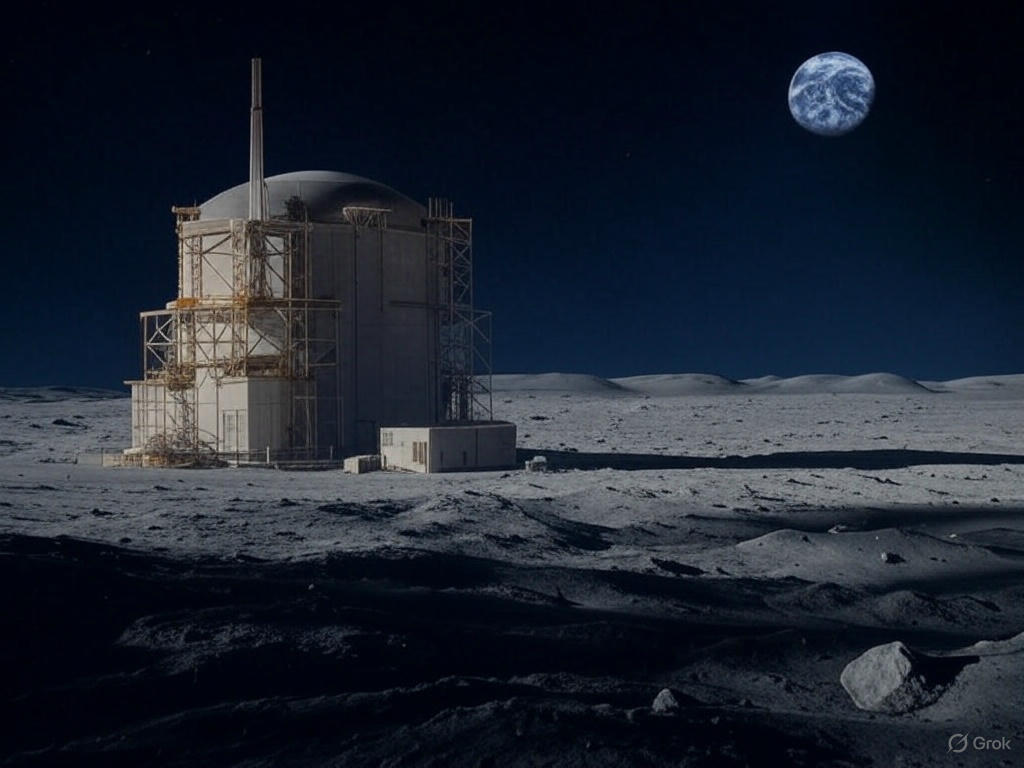
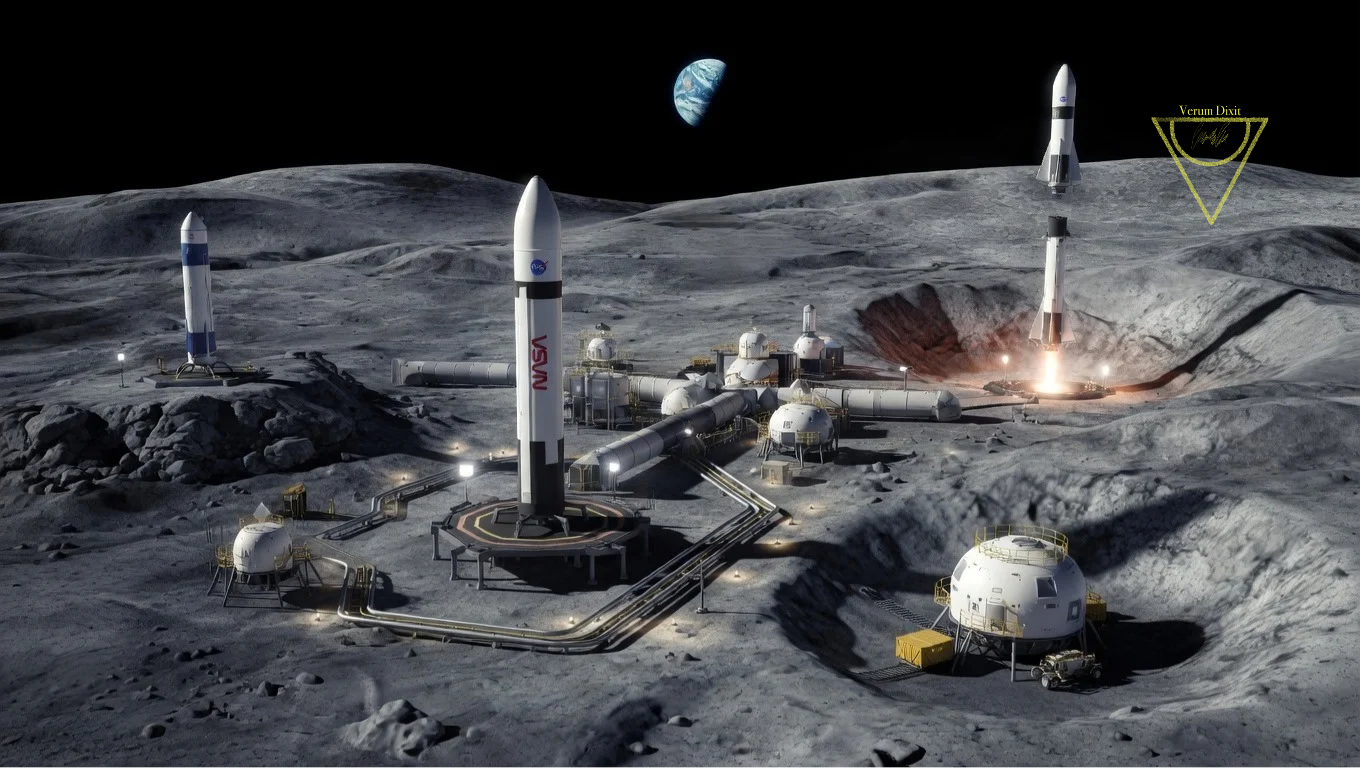
The Artemis III mission is a new US initiative aimed not only at returning to the moon but also at establishing a permanent base by 2030, building a lunar economy, and countering similar programs from Russia and China. Since our previous report—available for you to read by clicking here—some of the predicted actions have been accomplished; however, many changes and delays have arisen due to unexpected emergencies and late realizations. So let’s dig in!
Originally, NASA’s plans were to launch their first crewed mission, Artemis II, in 2026. This mission was intended to orbit the moon, test the newly built equipment, and make progress towards the third phase, which includes the long-awaited lunar landing by 2028 after a 60-year gap. However, major overhaul announcements made in January and February 2026, based exclusively on official NASA releases, briefings, and related coverage, redefined the entire timeline and mission purpose!
Since late December, there has been no official press release or announcements due to ongoing test phases; however, on the 12th of February 2026, we finally received the first update of the year. Axiom Space’s AxEMU Lunar spacesuit, the baseline mobility unit for Artemis III, has passed its contractor-led technical review and has now been handed over to NASA’s critical design testing review to confirm readiness for final delivery. The suit has been tested for over 850 hours in pressurized crew-in-the-loop testing, with additional underwater Neutral Buoyancy lab simulations and Active Response Gravity Offload Systems used to simulate the lunar environment. The next phase is NASA’s own critical testing, which should confirm any remaining details or issues with the suit that require correction before active usage; however, as the third mission is scheduled for 2028 without a more exact date, there is still time for the necessary corrections to be made. As quoted by Lara Kearney, Nasa’s Eva& Human Surface Mobility Program Manager, “The competition of their internal review brings Axiom Space one step closed to delivering a next-generation lunar spacesuit” .
All the while this great progress, on February 27th, 2026, the SLS Orion stack for Artemis II was rolled back to the Vehicle Assembly Building at Kennedy Space Center due to serious helium flow issues on the Interim Cryogenic Propulsion Stage (part of the boosters), as well as a battery swap, which has further delayed the next launch window. This major issue has highlighted a much greater challenge that slows progress: vehicle configurations. Hence, NASA’s new administrator, Jared Isaacman, announced that they are extending their mission map to standardize vehicle configuration and increase cadence to achieve safer and more reliable annual lunar landings.
These reconfigurations were necessary to move forward with the mission, as the plan is no longer just a lunar landing but now includes docking with both Blue Origin’s Orion and SpaceX’s commercial human landing systems. Additionally, it entails conducting in-space testing of docked vehicles and next-generation integrated checkout life support systems. The timeline has not yet been pushed, as the first crewed lunar landing is still planned for 2028, with at least one surface landing per year thereafter, according to NASA’s official releases, however further delays are expected. Current goals also include a step-by-step capability to rebuild civil-servant workforce competencies and respond to geopolitical competition while continuing to follow the President’s space policy.
To remain informed about the latest developments in space exploration, subscribe to our newsletter or monitor nasa.gov/artemis but you can also view the most recent NASA News conference below.

Subscribe to continue reading
Subscribe to get access to the rest of this post and other subscriber-only content.