The Euphrates river
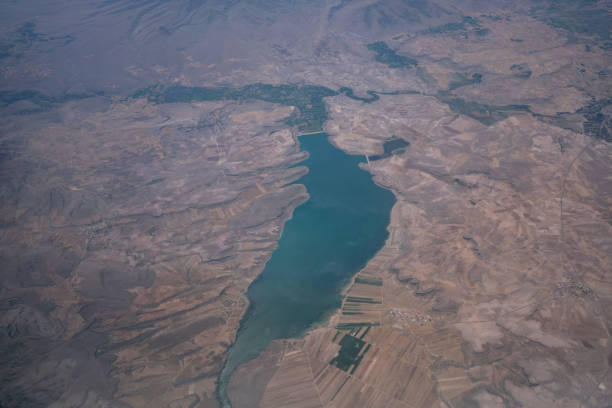
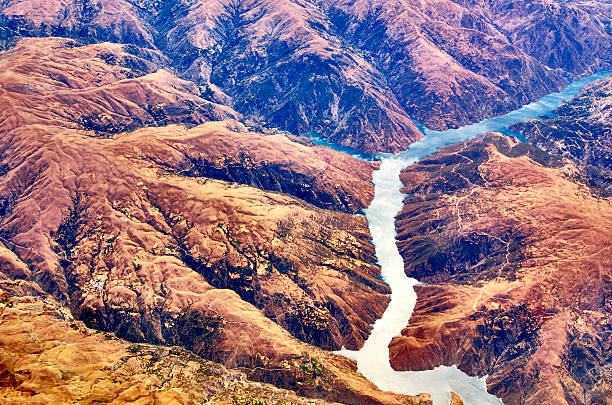
The Euphrates is one of the most important river in Western Asia. Originating from Turkey, flows through Syria and Iraq where it eventually empties into the Persian Gulf. The river has provided fresh water to the surrounding land, creating its very own ecosystem through the dry land. People use the river for drinking water, agricultural cultivation, and animal husbandry. Despite the countries access to the Ocean, there still isn’t much source of water around the areas the river flows, meaning the nations grow highly dependent to its supply.
Syria
-Historically, 85 percent of Syria’s agricultural demand for water has been met by the Euphrates.
Iraq
Iraq gets most of its fresh water from the Euphrates and Tigris rivers
It is part of the Two defining rivers of Mesopotamia together WITH the Tigris. Throughout the centuries the two rivers were reliable water source. However being first to give homeland to a developed civilisation means humanity have regarded to it’s existence as a sort necessity. Islamic Quran and Christian Bible both regard to the rivers with high value and grant importance to its waters. Both religion foretelling potential catastrophes or even the second coming of Jesus if the river ever to dry out.
Historical Significance
The “Land between the rivers” is one of the first recorded civilisations on earth. Mesopotamia, a highly developed civilisation, between the time of approximately 10.000 BCE -539 BCE: The conquest of Babylon by Cyrus the Great, marking the end of native control of Mesopotamia. The Tigris and Euphrates rivers made it possible for agriculture to be developed allowing the the First Cities ever to be formed. Mesopotamia developed complex government bureaucracies to manage agriculture, commerce, and religious activity, invented Cuneiform a type of writing that was used to record laws, prayers, recipes, stories, and more, produced sophisticated art and were using mathematics that are still used today.
Mesopotamians invented the wheel, sailboats, and maps and it’s mountains offered offered metal and precious stones that could not be found elsewhere, by trading these goods the city become wealthy. The two river have provided plenty of time and living supplements to create a place where civilised life was able to begin. However the constant changes in the rivers drift caused by the climate change led to floods at certain seasons. The overflows caused the river beds to shift over time eventually flooding and covering up buildings, monuments, and goods on its way. Pre-Christian tombs and Ancient Jewish settlements were found submerged in the waters of the Euphrates along gold jewellery, coins, jars, cemeteries, Roman-era site, and nearly 80 sites including the remains of the ancient city Telbas.
Fall of Mesopotamia was however the conquest of the nation by Persia, an Islamic nation in the 7th century BCE. The land has become part of the Persian Empire and slaughtered or enslaved the remaining descendants of Mesopotamians. Since then the land gave home to Islamic nations which seems to answer how could the Quran mention the two river as part of the signs of the upcoming judgemental day.
The river seems to slowly drying up
The Euphrates river, a vital lifeline for millions in the Middle east, is facing a severe water crisis. The Global warming and the overconsumption could cause its rivers to completely dry out . Temperatures in northeaster Syria have risen by one degree Celsius compared to 100 years ago, and average rainfall has decreased by 18 millimetres per month per century resulting in decreasing the river’s flow
Upstream countries, such as Turkey, have built dams and irrigation systems that divert large amounts of water for agriculture and hydroelectric power. Over 10% of the Turkey’s hydroelectricity depends on the Damns and were built as part of the fight for their economical independence. Both Water regulation and the global warming the Euphrates reaches Iraq reduced by 25-50%, however if that would not be enough the Water pollution caused by the industrial waste and agriculture making the water unusable for many uses. The river could dry out completely by 2024- reported by Iraqi Ministry of Water Resources in 2021.
Concerning events have already started to occur. The rivers flow was cut off completely on 16 May 2014 resulting in the Euphrates terminating at the Turkish–Syrian border. With the early signs of the Euphrates’s water decline the agricultural productivity has already been reduced and farmers relying on the river for irrigation are experiencing declining crop yields and water shortages. The competition for water resources ha drastically increased and has exacerbated tensions between the countries sharing the river, leading to potential conflicts.
The Euphrates River in religious texts- a symbol of life and Eschatology
The river was always a vital artery of the Middle East. holds significant religious and symbolic meaning for several major religions. It’s potential drying up has profound implications for these faiths, both in terms of their historical significance and their eschatological beliefs
Judaism
In the Hebrew Bible, the Euphrates River is mentioned numerous times. It serves as geographical boundary and a symbol of fertility and abundance . In Genesis (2:14) the Garden of Eden is described as being watered by four rivers which includes the Euphrates and Tigris. The drying up of the river could be seen as a sign of divine judgement or fulfilment of apocalyptic prophecies.
Christianity
Euphrates is is also referenced in the New Testament, particularly in the Book of Revelation. It’s associated with the end times and the release of destructive forces. The drying up of the river is seen as a prelude to the final battle between Good and Evil
” And blasphemed the God of heaven because of their pains and their sores, and repented not of their deeds. And the sixth angel poured out his vial upon the great river Euphrates; and the water thereof was dried up, that the way of the kings of the east might be prepared. “
(Revelation 16:11-13)
Then the sixth angel blew his trumpet, and I heard a voice from the four horns of the golden altar before God, NIV The sixth angel sounded his trumpet, and I heard a voice coming from the four horns of the golden altar that is before God. The voice tells the angel with the trumpet to release the four angels who had been bound in the river Euphrates. In the miniature, these four avenging angels rise from the river with their weapons, ready to fulfil their mission of killing a third of the people on earth
(Revelation 9:13-14)
According to the New Testament the seventh trumpet sets in motion the series of events that end the Tribulation, that lead to the second coming of Jesus Christ, and to the establishment of His earthly kingdom
Islam
While not as prominently features as in Judaism and Christianity, the Euphrates is mentioned in Islamic texts. It is considered a sacred river, and it’s waters are believed to have healing properties. The drying up of the river could be interpreted as a sign of divine displeasure or a fulfilment of prophetic predictions.
Prophet Muhammad have left hadiths that allude to significant events related to the river, particularly in the context of end times. One well known hadith narrated by Abu Huraira ;
” Soon the Euphrates River will uncover a mountain of gold. Whoever is present at that time should not take anything from it”
(-Sahih Bukhary, Book88 ,n. 236)
This Hadith suggests that a significant event involving the Euphrates River will occur in the future. Some interpretations of this hadith connect it to the drying up of the river, as the discovery of a mountain on gold could indicate a major shift in the religions landscape.
Another hadith , narrated by Abu Sa’id al-Khudri
” The Euphrates River will reveal a mountain of gold. People will fight over it, and 99 our of 100 of them will be killed, and every man among them will say, ‘Maybe I’m the only one to remain alive’.”
(Book 18, Hadith 15 /Sahih Muslim, Book 41 N. 6992)
Israfil (Arabic: إِسْـرَافِـيْـل, ʾIsrāfīl) or Israfel is the angel who blows the trumpet after the final signs of The Hour to signal Qiyamah (the Day of Judgment) in Islam; The defeat of the Sufyani; The end of the just reign of the Mahdi and The rising of the sun from the west; the peaceful death of all believers from inhalation of a lethal breeze a trumpet will blast, signalling the destruction of earth (Q. 69:13–16)
Zoroastrianism
In Zoroastrianism the river is associated with the concept of “Good Water” , which is essential for life and prosperity. The drying up of the river could seen as a sign of environmental degradation and loss of balance in the natural world.
Actual outcomes and possibilities for the afterwards

Subscribe to continue reading
Subscribe to get access to the rest of this post and other subscriber-only content.